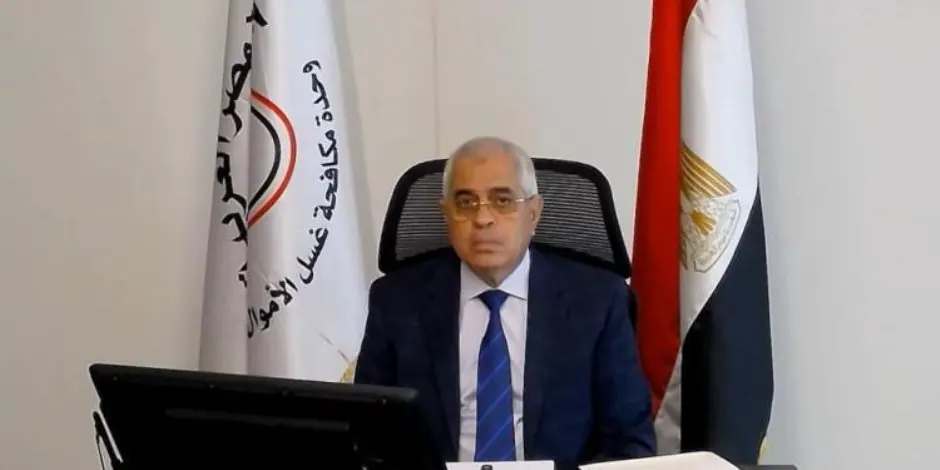
The Egyptian Financial Supervisory Authority, in cooperation with the Anti-Money Laundering and Terrorism Financing Unit, organized an expanded meeting with representatives of companies operating in non-bank financial activities. The meeting was attended by chairmen of boards of directors, executive directors, and anti-money laundering and terrorism financing officials. This comes as part of the ongoing cooperation between the two parties to enhance efforts to combat money laundering and terrorism financing.
Dr. Islam Azzam, head of the Financial Supervisory Authority, received representatives of the Anti-Money Laundering and Terrorism Financing Unit, praising the pivotal role played by the Unit under the leadership of Counselor Ahmed Said Khalil. The Unit coordinates continuously with the Authority to enforce legislative and regulatory frameworks to combat money laundering and terrorism financing. The Authority and the Unit aim to spread awareness of these frameworks and train and transfer expertise to state agencies.
The head of the Financial Supervisory Authority emphasized his keenness to support the efficiency and effectiveness of anti-money laundering and terrorism financing controls in activities under its supervision. He referred to the circular issued recently, which obliges all institutions operating in capital market, insurance, and non-bank financing activities to comply with the updated version of the "Customer Due Diligence Procedures for Financial Institutions Subject to the Supervision of the Financial Supervisory Authority".
During the meeting, Unit representatives presented an in-depth presentation on money laundering and terrorism financing risks and the importance of applying targeted financial sanctions. These sanctions include asset freezing and blocking to prevent the availability of funds or assets for the benefit of specific individuals or entities. The presentation also covered due diligence procedures for customers, verification of identity, and indicators for high-risk cases.
The meeting also discussed the legal arrangements and how to distinguish the original crime and the beneficial owner. The procedures for financial institution employees, customer acceptance policies, and ways of ongoing due diligence through monitoring operations were also reviewed. The meeting emphasized that anti-money laundering and terrorism financing requirements do not represent an obstacle to achieving financial inclusion goals and providing non-bank financial services.
Unit representatives stressed the importance of having available data, information, and documents on the procedures taken by companies and retaining them. This demonstrates the company's ability to deal with risks and suspicious transactions according to national controls and rules. They also emphasized the need for a sustainable review of rules to measure results and ensure the efficiency of internal systems.
Representatives of the Financial Supervisory Authority confirmed that holding this meeting reflects the Authority's and supervised companies' keenness to tighten compliance with anti-money laundering and terrorism financing systems. They added that developing regulatory frameworks, governance, and risk management in the non-bank financial sector is a vital necessity for institutions to keep pace with international and local standards.
Key points
- The Egyptian Financial Supervisory Authority and Anti-Money Laundering Unit held an expanded meeting with non-bank financial sector representatives to enhance cooperation in combating money laundering and terrorism financing.
- The meeting emphasized the importance of applying targeted financial sanctions and customer due diligence procedures to prevent money laundering and terrorism financing.
- The Financial Supervisory Authority and the Anti-Money Laundering Unit aim to spread awareness of anti-money laundering and terrorism financing frameworks and train and transfer expertise to state agencies.