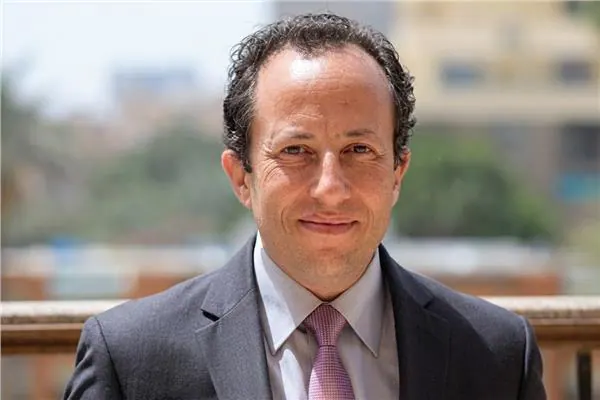
The Egyptian economy has demonstrated robust growth, with the World Bank revising its growth forecast for the 2025/2026 fiscal year from 4.3% to 5.1%. This upward revision reflects the economy's better-than-expected performance, according to Dr. Walid Gaballah, a member of the Egyptian Association for Political Economy and Legislation. The government's economic policies have contributed to this growth, showcasing the economy's ability to adapt to fluctuations in exchange rates and dollar inflows.
Dr. Gaballah noted that the initial indicators announced by the Ministry of Planning for the fiscal year ending June 2026 align with the World Bank's revised estimates. The Egyptian economy has shown remarkable resilience in managing exchange rate fluctuations and dollar inflows without imposing restrictions on foreign currency trading. These policies have enhanced economic stability and increased the economy's capacity to absorb shocks, according to Gaballah.
The Egyptian banking sector has played a crucial role in supporting the economy, with net foreign assets reaching approximately $28 billion. This substantial reserve bolsters the banks' ability to provide foreign currencies and finance the economy's needs. Furthermore, the Central Bank's foreign exchange reserves have reached $57.2 billion, providing a comfortable cushion for the economy.
Remittances from Egyptians abroad have been a significant contributor to the country's economic growth, with a record $47.3 billion in remittances received during the 2025/2026 fiscal year. Alongside tourism and foreign direct investment, remittances have helped improve Egypt's economic indicators. The tourism sector has also shown signs of recovery, with increased tourist arrivals and revenues.
The Egyptian government's efforts to attract foreign investment have yielded positive results, with foreign direct investment playing a vital role in driving economic growth. The country's strategic location and large market have made it an attractive destination for investors. The government has implemented various initiatives to improve the business environment and encourage investment.
Egypt's economic growth has been accompanied by a stable exchange rate, which has helped reduce inflationary pressures. The Central Bank has implemented policies to maintain price stability, and inflation rates have begun to decline. The government's commitment to economic reform and stability has been instrumental in achieving these positive outcomes.
Looking ahead, Egypt's economic prospects appear promising, with the World Bank's revised growth forecast reflecting the country's resilience and adaptability. The government's continued efforts to promote economic growth, attract investment, and enhance economic stability will be crucial in sustaining this momentum. With a strong foundation in place, Egypt is well-positioned to achieve sustained economic growth and stability.
Key points
- Remittances from Egyptians abroad reached a record $47.3 billion in 2025/2026.