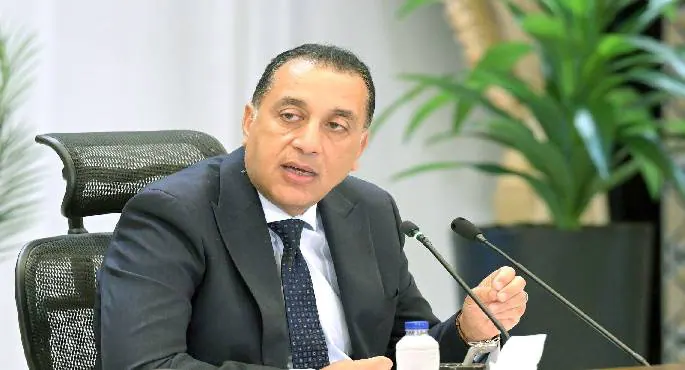
Egyptian Prime Minister Dr. Mostafa Madbouly highlighted the country's economic achievements during a meeting with President Abdel Fattah El-Sisi and other officials. He noted that Egypt's economy grew at 5.1% in the 2025/2026 fiscal year, one of the highest rates in the Middle East. This growth was driven by significant increases in key sectors such as industry, agriculture, communications, tourism, and services.
Dr. Madbouly also discussed global economic trends, citing a slowdown in growth and rising inflation. He mentioned that discussions at the recent United Nations General Assembly focused on these challenges. In contrast, Egypt's economy showed resilience, with a growth rate that exceeded international expectations. The prime minister emphasized that this growth was not solely dependent on specific projects but was driven by a broad-based expansion across various sectors.
Inflation in Egypt has been a concern, but Dr. Madbouly reported a decline in the inflation rate. The rate dropped to 12.7% in the previous month, down from 23.2% in January 2025. While citizens may not yet feel the full impact of this decrease, the government aims to sustain the downward trend in inflation. This, in turn, is expected to help reduce interest rates and support production across various sectors.
A significant achievement highlighted by Dr. Madbouly was the record low unemployment rate of 5.8%. This marks the lowest unemployment rate in Egypt's history. The government is committed to creating high-quality job opportunities, particularly in sectors such as communications, technology, and advanced industries. These sectors are seen as key drivers of sustainable growth and higher incomes for Egyptian citizens.
The prime minister also discussed improvements in Egypt's foreign exchange resources. He noted a 32% increase in remittances from Egyptian expatriates, reaching approximately $35 billion from January to August of the current year. Additionally, revenues from the Suez Canal have started to recover, and tourism activity continues to grow. These developments are crucial for Egypt's economy, helping to mitigate the impact of global economic challenges.
Dr. Madbouly touched on the topic of foreign direct investment, noting a shift towards industrial projects and activities. This change reflects the government's efforts to improve the investment climate and streamline procedures for investors. The increase in foreign investments, particularly in the industrial sector, is seen as a positive development that supports economic growth, job creation, and export expansion.
On the fiscal front, Egypt achieved a primary surplus of 4.9% of GDP in the last fiscal year. This surplus indicates that, excluding debt servicing costs, the government's revenues exceeded expenditures. The prime minister highlighted that this achievement was the result of a combination of measures aimed at enhancing revenues and improving spending efficiency. Egypt's public debt has also been on a downward trajectory, from 96% of GDP two years ago to 81.8% at the end of the last fiscal year.
Key points
- Egypt's economy grew at 5.1% in the 2025/2026 fiscal year.
- Unemployment rate dropped to a historic low of 5.8%.
- Inflation rate decreased to 12.7% from 23.2% in January 2025.