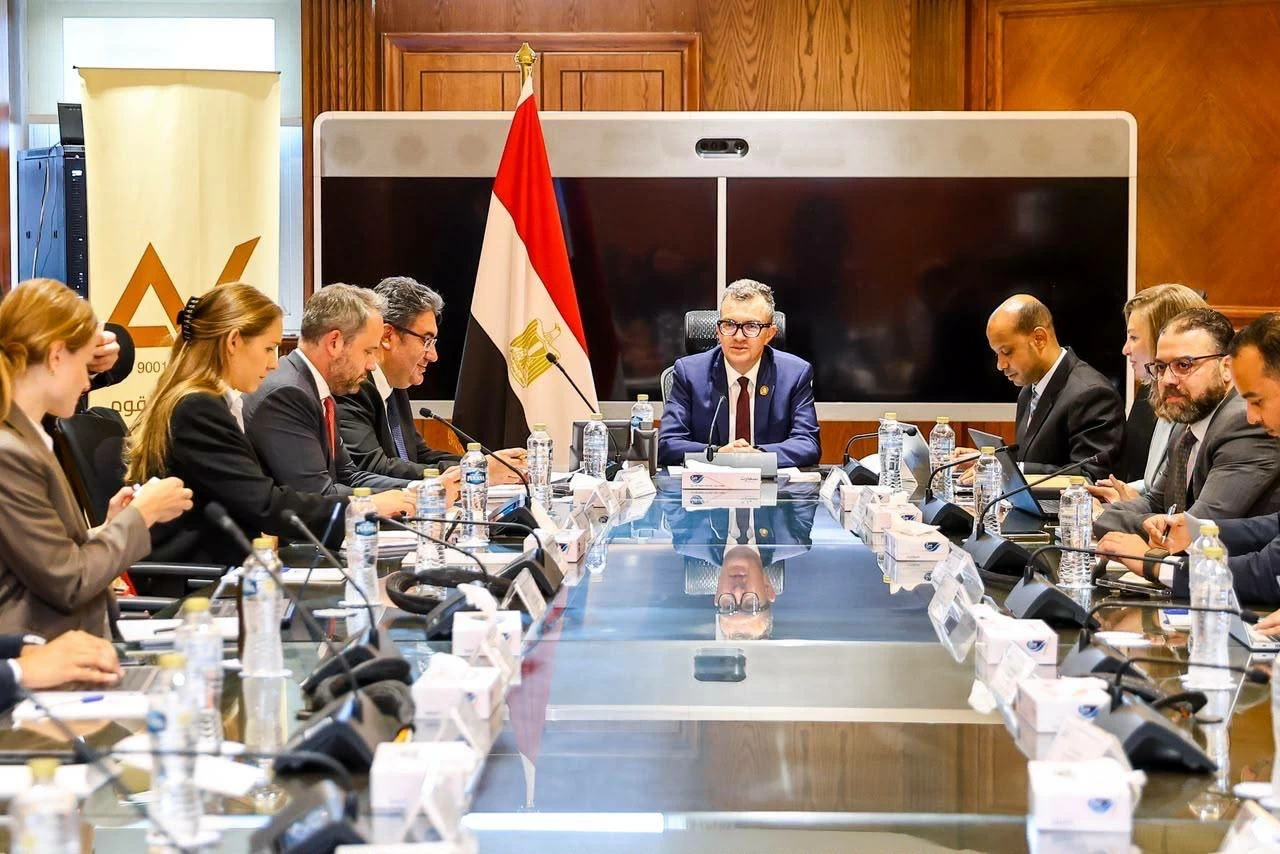
Egyptian Minister of Planning and Economic Development, Dr. Ahmed Rustom, recently met with representatives from international credit rating agency Standard & Poor's. The meeting was part of the agency's periodic review of Egypt's credit rating. Discussions focused on the country's economic performance, financial results, and ways to enhance private sector participation and create a competitive investment environment.
During the meeting, Dr. Rustom highlighted positive economic indicators, including a 5.1% GDP growth rate for the 2025/2026 fiscal year, up from 4.4% the previous year. This growth was driven by a notable recovery in high-value-added sectors such as manufacturing and communications technology. The minister attributed this growth to the production and service sectors supporting economic activity and diversifying national income sources.
The Egyptian economy has shown resilience in the face of external shocks, according to Dr. Rustom. This is due to ongoing structural reforms and increased investment competitiveness. The minister also noted that financial and monetary policies have successfully curbed inflationary pressures, with the inflation rate dropping to 12.7% in August 2026. Additionally, the unemployment rate decreased to 5.8% in the second quarter of 2026.
Dr. Rustom emphasized the government's commitment to enhancing the business environment and promoting private sector involvement. He noted that the state aims to achieve a growth rate of 5.2-5.4% in the upcoming fiscal year. This target is contingent on empowering the private sector, improving the investment climate, and increasing the economy's capacity to create sustainable job opportunities.
The review of Egypt's credit rating by Standard & Poor's is closely watched by investors and analysts. A favorable rating can lead to increased foreign investment and better access to international capital markets. Conversely, a downgrade could raise borrowing costs and negatively impact the economy. The Egyptian government has been working to implement reforms and improve economic indicators to maintain a stable credit rating.
Egypt's economic growth has been impacted by various factors, including the COVID-19 pandemic and global economic trends. However, the government has implemented measures to mitigate these effects and promote sustainable growth. The country's economic development strategy focuses on increasing private sector participation, improving infrastructure, and enhancing human capital.
The meeting between Dr. Rustom and Standard & Poor's representatives reflects the government's commitment to transparency and collaboration with international institutions. The outcome of the credit rating review is expected to provide insights into Egypt's economic prospects and inform investment decisions. Key points include Egypt's 5.1% GDP growth rate, a decrease in the unemployment rate to 5.8%, and a projected growth rate of 5.2-5.4% for the upcoming fiscal year.
Key points
- Egypt's GDP growth rate reached 5.1% in the 2025/2026 fiscal year.
- The country's unemployment rate decreased to 5.8% in the second quarter of 2026.
- Egypt aims to achieve a growth rate of 5.2-5.4% in the upcoming fiscal year.