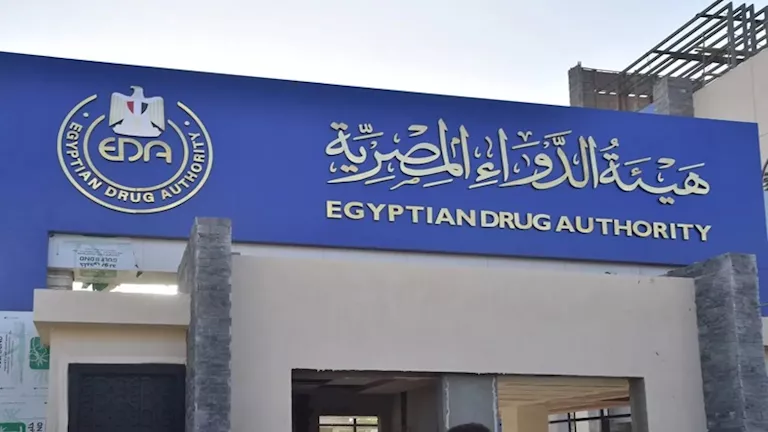
The Egyptian Drug Authority (EDA) has issued a warning against misleading and unauthorized advertisements for pharmaceutical products circulating on social media. On September 29, the authority published a series of regulatory notices documenting advertising violations involving pharmaceutical products promoted through Facebook, Instagram, and TikTok. These notices concern advertisements for registered pharmaceutical products that had not been approved by the EDA and may contain misleading marketing claims.
The EDA identified several products in the notices, including Tadanerfi, Nerhasilda, Biolegam, and Doumega, which are marketed for male sexual health. The authority stressed that the notices reflect its regulatory assessment based on available information and do not constitute judicial rulings. The EDA regulates the registration and circulation of pharmaceutical products in Egypt, as well as advertising and promotional materials related to products under its oversight.
The warning comes amid growing use of social media to promote pharmaceutical products, including through influencers and online content creators. The EDA urged consumers not to rely on unverified pharmaceutical advertisements circulating on social media and advised them to check official EDA sources to confirm whether products are registered and safe for use.
The authority encouraged the public to report advertisements suspected of violating regulations through its official reporting channels or hotline at 15301. Reports are handled confidentially, and the EDA aims to mitigate risks to public health by monitoring and regulating pharmaceutical advertisements.
According to the EDA, misleading pharmaceutical advertisements can lead to misuse and health risks. The authority is taking steps to address this issue, including publishing regulatory notices and warning consumers about potential risks.
The EDA's warning is part of its efforts to ensure public health and safety in Egypt. The authority plays a crucial role in regulating the pharmaceutical industry, and its oversight helps to prevent the spread of misinformation about pharmaceutical products.
In conclusion, the EDA's warning against misleading pharmaceutical ads on social media highlights the importance of verifying information about pharmaceutical products. Consumers are advised to rely on official sources and report suspicious advertisements to protect their health and safety.
Key points
- The Egyptian Drug Authority warns against misleading pharmaceutical ads on social media to protect public health.
- The authority has identified several products marketed for male sexual health that were promoted through unauthorized advertisements.
- Consumers are advised to verify information about pharmaceutical products through official EDA sources and report suspicious advertisements.