In late June, a video of a university student, Amr Amara, went viral on social media, highlighting the issue of identity protection in Egypt. Amara had been sentenced to life in prison without his knowledge, based on a mobile phone chip registered in his name. The chip had been purchased by a friend's sister, who worked for a telecommunications company, and was later sold to a mobile line trader. This incident sparked a heated debate about the fragile state of citizen data protection and verification.
The incident prompted the National Telecommunication Regulatory Authority (NTRA) to take urgent measures, including re-activating the "My Numbers" service on its application, which allows subscribers to know the lines registered in their name. The NTRA also invited citizens to verify these lines and file complaints about those registered without their knowledge. Furthermore, the NTRA decided to refer the four mobile companies to the Public Prosecution for these violations.
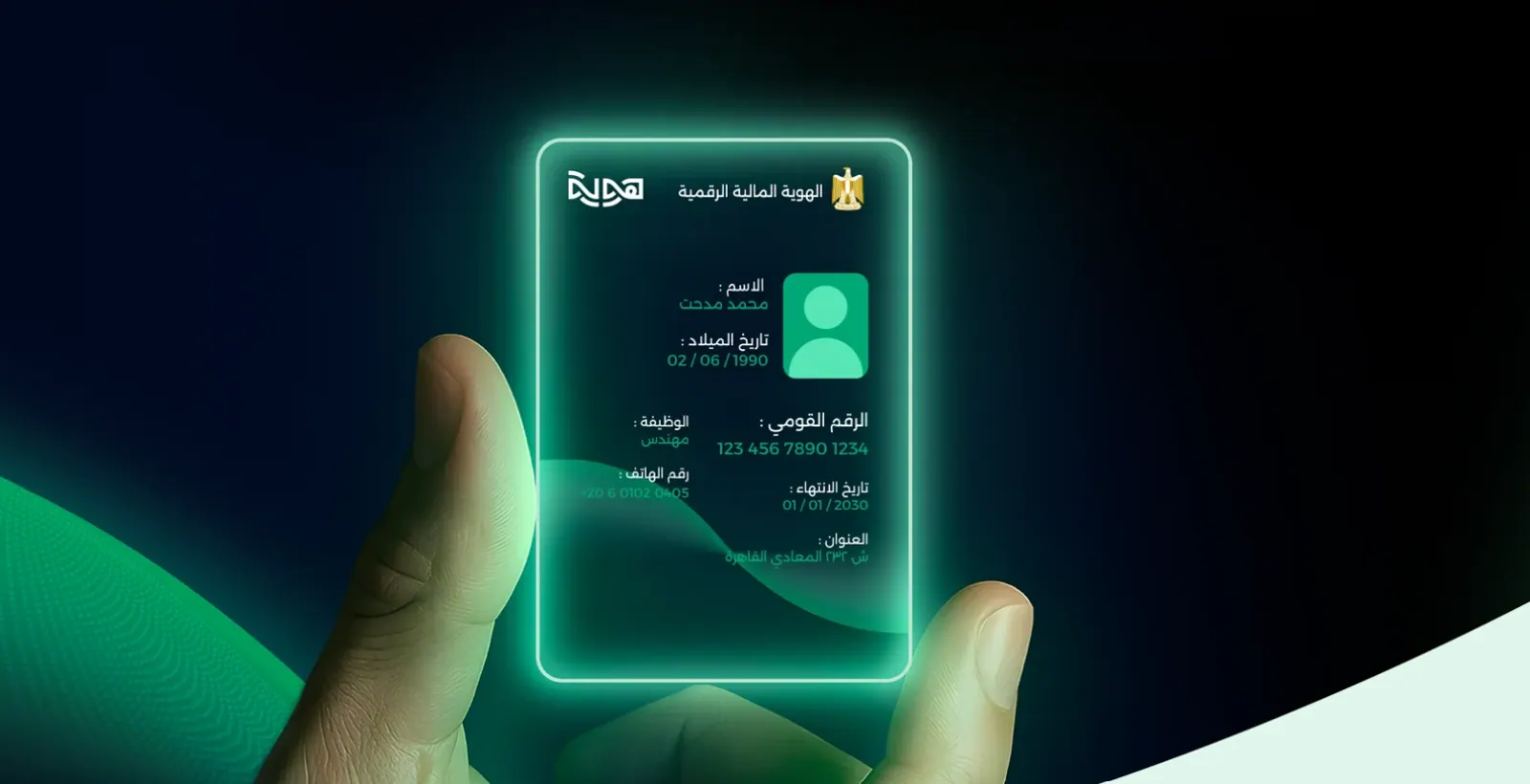
In response to the controversy, the NTRA announced the launch of a biometric verification system, known as the Digital Identity system, in collaboration with the Information Technology Industry Development Agency (ITIDA) and the Egyptian Signature Company. This system aims to provide a secure and unified way to verify users' identities and protect their personal data. The NTRA stated that this system would allow mobile companies to offer services that require identity verification and electronic signatures through their applications.
The Digital Identity system is part of the Egyptian government's strategy for digital transformation and enhancing digital sovereignty. Several government agencies have launched their own digital identity systems, including the Ministry of Interior, which introduced its "MOIEG-PASS" application in January. This application allows citizens to verify their identities using facial recognition algorithms. The Ministry of Communications also launched its Digital Identity system in February, which is linked to the provision of electronic government services through the "Egypt Digital" website.
The Digital Identity system requires a series of verification steps, including photographing an identification document, biometric verification through a live selfie, and verifying mobile phone ownership. This multi-step process aims to ensure the accuracy and security of users' data. Once the verification process is complete, users can use their digital identity to access various government services and conduct transactions.
The government has made significant progress in promoting digital identity, with several agencies launching their own systems. However, concerns have been raised about data protection and user privacy. The use of biometric data, in particular, has sparked worries about the potential for misuse. In response, the government has emphasized the importance of protecting users' data and ensuring the security of the verification process.
As the government continues to push for digital identity, citizens are being encouraged to participate in the verification process. The NTRA has assured users that their data will be protected and that the verification process is secure. The government aims to make digital identity a requirement for accessing government services in the future, but for now, participation is optional. Key points: The Egyptian government is pushing for digital identity to enhance data protection and user verification; Several government agencies have launched their own digital identity systems; Concerns have been raised about data protection and user privacy.