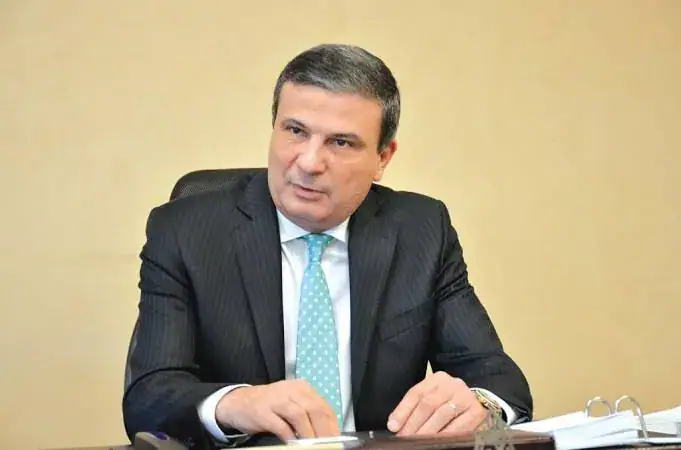
Egypt's Desert Research Center recently organized a training course for third-year students in the plant production program at Cairo University's Faculty of Agriculture. The course, titled "Integrated Management of Plant Production in Desert Lands," took place at the Qantera East Research Station. This initiative was carried out under the guidance of Agriculture Minister Alaa Farouk and in line with the directives of Dr. Hosam Shouqi, head of the Desert Research Center.
The course aimed to provide students with hands-on experience in integrated plant production in desert areas. Dr. Hosam Shouqi emphasized that the program is part of the center's plan to share the expertise of its researchers with Egyptian university students. This effort seeks to enhance their practical skills and improve their employability in the agricultural sector. The training is designed to equip students with the skills required in the current job market.
Dr. Mohamed Ezzat, deputy head of the center, highlighted the pivotal role of the research stations in preserving traditional desert agriculture knowledge. These stations, located in various desert regions, also focus on developing agricultural practices and introducing modern technology. The goal is to transfer this expertise to university students and young graduates. The research stations play a crucial role in advancing desert agriculture.
The program combined theoretical knowledge with practical experience. Students participated in daily farm activities and dealt directly with the challenges of agricultural work. They received training in various agricultural operations, including irrigation, fertilization, spraying nutrients and pesticides, pruning, and methods of vegetative and seed propagation. The course provided comprehensive hands-on experience.
The training course was supervised by the Environmental and Dryland Agriculture Division and involved the technical staff of the Qantera East Research Station. Upon completion, students expressed their appreciation for the support provided by the Desert Research Center and its research stations. They reported gaining valuable experience that enhanced their practical skills and looked forward to similar training programs in the future.
The initiative reflects the Desert Research Center's commitment to collaboration with academic institutions. By providing students with practical experience, the center aims to bridge the gap between theoretical education and the needs of the agricultural sector. This approach is expected to benefit both the students and the broader agricultural community.
The Desert Research Center's efforts to engage with and support the next generation of agricultural professionals are ongoing. By offering such training programs, the center contributes to the development of a skilled workforce capable of addressing the challenges of desert agriculture. The center's initiatives are crucial for advancing sustainable agricultural practices in Egypt.
Key points
- The Desert Research Center provided a training course for agriculture students on integrated plant production in desert lands.