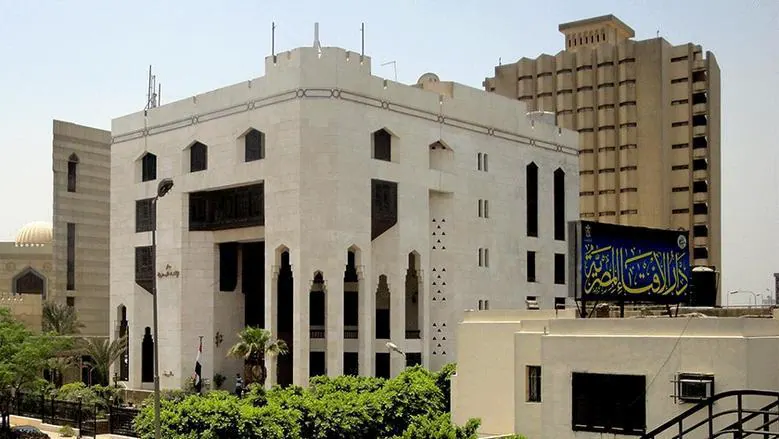
Egypt's Dar Al-Ifta has issued a warning against lying and perjury, citing the severe consequences of such actions, including the loss of rights and harm to individuals. The institution emphasized that lying and perjury are among the gravest sins, as they lead to the spread of hatred and discord within society. According to the Prophet Muhammad, these actions are considered major sins, along with associating others with God and disobeying parents.
Dar Al-Ifta stressed that Muslims are inherently inclined towards honesty and trustworthiness. The institution highlighted that individuals entrusted with responsibilities must fulfill them, as these responsibilities are considered sacred trusts. The Quran emphasizes the importance of fulfilling trusts and covenants, with Allah rewarding those who remain faithful to their obligations. The Prophet Muhammad also reminded Muslims that each person is accountable for their actions and the well-being of those under their care.
The institution cited the example of Khadijah, one of the earliest converts to Islam, who demonstrated unwavering trust and loyalty to the Prophet Muhammad. Her character serves as a model for Muslims, illustrating the importance of trustworthiness and honesty. Dar Al-Ifta emphasized that individuals with strong moral character, like the Prophet Muhammad, are not prone to dishonesty or breach of trust.
Dar Al-Ifta warned against the dangers of revealing secrets and spreading false information, which can have far-reaching consequences for individuals and society. The institution advised Muslims to cultivate self-control and restraint in their speech, choosing between speaking truth or remaining silent. This approach helps individuals avoid errors and improve their communication, making them more respected and pleasant to interact with.
The Quran encourages believers to be truthful and associate with those who are honest. Dar Al-Ifta highlighted that embracing truthfulness leads to salvation and provides individuals with a way out of difficult situations. The institution cited a Quranic verse, which states that those who remain mindful of Allah will find a way out of adversity.
Dar Al-Ifta's warning comes as a reminder to Muslims of the importance of upholding moral values and avoiding actions that can harm individuals and society. The institution's guidance emphasizes the need for self-reflection and personal responsibility, encouraging individuals to cultivate positive traits and behaviors.
In conclusion, Dar Al-Ifta's warning against lying, perjury, and breach of trust serves as a reminder of the importance of honesty and trustworthiness in Islam. The institution's guidance provides a valuable framework for Muslims to follow, promoting a culture of integrity and moral responsibility.
Key points
- Dar Al-Ifta warns against lying, perjury, and breach of trust, citing severe consequences for individuals and society.
- The institution emphasizes the importance of honesty and trustworthiness, citing examples from Islamic history and scripture.
- Dar Al-Ifta encourages Muslims to cultivate self-control and restraint in their speech, choosing between speaking truth or remaining silent.