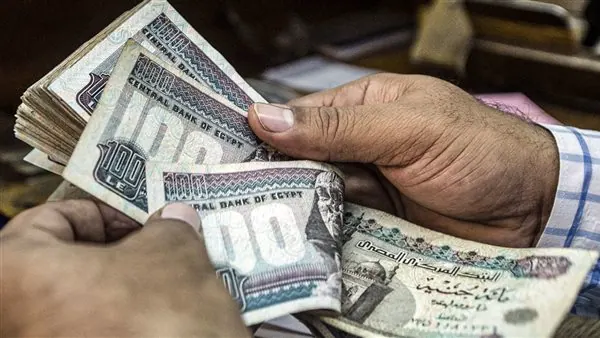
Egypt's Dar al-Ifta has addressed a question regarding the permissibility of working in banks and engaging in financial transactions with them. The query, submitted through their official Facebook page, sought clarification on whether working in banks, depositing money, and taking loans are halal or haram. Dar al-Ifta responded that working in banks is permissible under Islamic law as banks are considered investment institutions.
According to Dar al-Ifta, banks operate as investment entities, engaging in deposit and financing activities. As such, working in banks is deemed permissible. The institution also clarified that depositing money in banks is a form of investment based on mutual consent between parties, governed by laws that prevent harm and uncertainty. This makes depositing money in banks permissible under Islamic law.
Dar al-Ifta distinguished between traditional deposit and investment accounts offered by banks. They noted that investment accounts are not explicitly mentioned in Islamic jurisprudence but are considered new contracts with their own set of rules. These accounts share some similarities with deposits and loans but have distinct characteristics that set them apart.
The institution highlighted that banks use deposited funds for investments, generating profits for both the bank and the depositor. This process involves mixing funds from various depositors and shareholders, making it impossible to track individual deposits. Consequently, Dar al-Ifta concluded that depositing money in banks and earning interest is permissible.
Regarding loans, Dar al-Ifta clarified that when an individual receives funds from a bank, it is considered financing rather than a loan. Financing is a modern contract aimed at investment, eliminating uncertainty and harm. This type of transaction is permissible under Islamic law and differs from traditional loans that may involve interest.
Dar al-Ifta also addressed the issue of financing for housing projects. They stated that financing options provided by banks for housing projects are permissible under Islamic law. This form of financing is considered a legitimate means of acquiring property and does not involve interest or other prohibited elements.
In conclusion, Dar al-Ifta's ruling provides guidance on the permissibility of engaging with banks under Islamic law. The institution emphasized that working in banks, depositing money, and taking financing for legitimate purposes, such as housing projects, are all permissible.
Key points
- Working in banks and depositing money are permissible under Islamic law.
- Financing for housing projects from banks is also considered permissible.
- Dar al-Ifta distinguishes between traditional loans and financing, deeming the latter permissible under certain conditions.