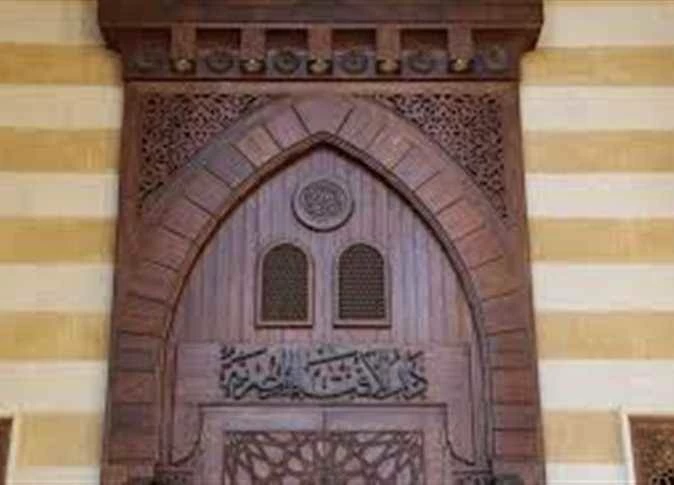
Egypt's Dar al-Ifta has issued a statement clarifying the ruling on performing prayers inside vehicles during travel. The statement comes as many Muslims seek guidance on whether they can perform prayers inside their cars when the prayer time coincides with their journey. Dar al-Ifta explained that Muslims are allowed to perform voluntary prayers inside vehicles, but there are specific conditions for performing obligatory prayers.
According to Dar al-Ifta, Muslims can perform voluntary prayers inside vehicles, including cars, planes, trains, or other means of transportation. The Dar al-Ifta cited a Quranic verse, "And to Allah belongs the east and the west, so wherever you turn, there is the face of Allah," and noted that most scholars agree that this permission applies during travel. However, some scholars, like Imam Malik, require that the travel be of a type where the prayer can be shortened.
For obligatory prayers, Dar al-Ifta stated that Muslims cannot perform them inside vehicles unless there is a legitimate reason that prevents them from getting out and performing the prayer in the usual manner. Such reasons include fear for one's life or property, fear of being separated from travel companions, or exposure to harm due to weather conditions. In such cases, Muslims are allowed to perform prayers inside their vehicles.
Dar al-Ifta also provided guidance on what Muslims should do if they are unable to perform prayers at the designated time. If the prayer time coincides with another prayer that can be combined, it is preferable for Muslims to combine the two prayers, either by performing them together at the earlier or later time. This can be done when they arrive at their destination.
Dr. Majdi Ashour, former assistant to the Grand Mufti of Egypt, emphasized that Muslims should prioritize performing prayers at the designated time. If possible, Muslims should stop their vehicles and perform prayers in the usual manner. However, if stopping is not feasible, Muslims can combine prayers or perform them inside their vehicles.
When performing prayers inside vehicles, Muslims should make the intention to pray and face the direction of Qibla as much as possible. They should also perform the movements of prayer, such as bowing and prostrating, in a manner that suits their circumstances. Dr. Ashour noted that some scholars require Muslims to repeat prayers performed under such circumstances.
Dar al-Ifta's guidance aims to help Muslims navigate the complexities of performing prayers during travel. The guidance takes into account the challenges faced by travelers and provides a clear framework for performing prayers in a manner that is consistent with Islamic law.
Key points
- Dar al-Ifta allows Muslims to perform voluntary prayers inside vehicles during travel.
- Obligatory prayers can be performed inside vehicles only under specific circumstances, such as fear for one's life or property.
- Muslims should prioritize performing prayers at the designated time, but can combine prayers or perform them inside vehicles if necessary.