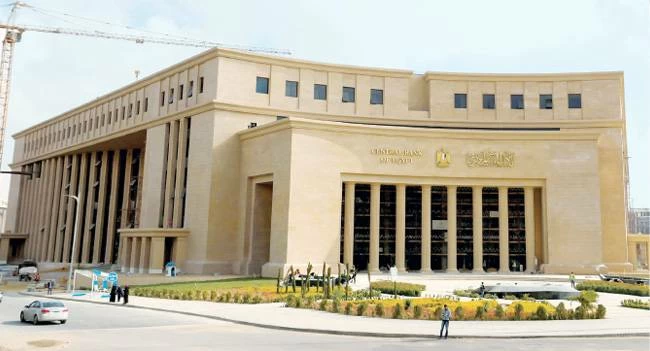
Egypt's Central Bank has decided to keep its interest rates unchanged, with the deposit rate remaining at 19%. This decision, made by the Monetary Policy Committee, reflects the ongoing need to contain inflationary pressures and monitor exchange rate developments and global market trends. The move is seen as a cautious approach to managing the economy amid internal and external challenges.
The decision to maintain interest rates was welcomed by economic experts, who believe it provides the Central Bank with the necessary space to observe price trends and foreign inflows before making any further policy adjustments. Dr. Ashraf Gharab, an economic expert, noted that the decision aligns with the need to continue monitoring inflation and exchange rate developments, supporting market stability and giving the Central Bank an opportunity to assess future economic developments.
According to Dr. Gharab, the recent decline in urban inflation to 14.5% in August, alongside a rise in core inflation to 14.9%, indicates ongoing price pressures that require careful management of monetary policy. He also highlighted the impact of external factors, such as energy price movements and US monetary policy trends, on inflation and exchange rates. The increase in international reserves to $57.2 billion by the end of August provides a buffer for the economy to absorb external shocks.
Hani Aboulفتوح, a banking expert, observed that the decision to keep interest rates steady is consistent with recent inflation trends, particularly the rise in core inflation despite a decline in general urban inflation. He noted that the increased cash reserves and the evolution of exchange rates, energy prices, and foreign inflows are key factors that will determine the future direction of monetary policy.
Dr. Mohamed Fouad, an economic expert, stated that the decision reflects diminished prospects for rate cuts amid persistently high inflation and risks associated with exchange rates and global economic developments. He emphasized that movements in the dollar and energy prices are crucial factors for the Central Bank, as they impact imported goods prices, production costs, and inflation.
The experts agreed that the decision provides the Central Bank with an opportunity to evaluate inflation, exchange rates, and foreign inflows before making further interest rate decisions. They also stressed the importance of balancing inflation containment with supporting economic activity. The current interest rates are seen as a means to maintain the attractiveness of Egyptian assets and limit inflationary pressures.
In its latest meeting, the Monetary Policy Committee of the Central Bank of Egypt decided to maintain the overnight deposit and lending rates at 19% and 20%, respectively. The committee also kept the main operation rate at 19.5% and the credit and discount rate unchanged at 19.5%. This decision is expected to support economic stability and manage inflationary pressures in the context of global economic trends and domestic challenges.
Key points
- Egypt's Central Bank maintains interest rates at 19% for deposits amid ongoing inflationary pressures.
- The decision aims to balance inflation containment with supporting economic activity.
- Global economic trends and domestic inflation rates influence the Central Bank's monetary policy decisions.