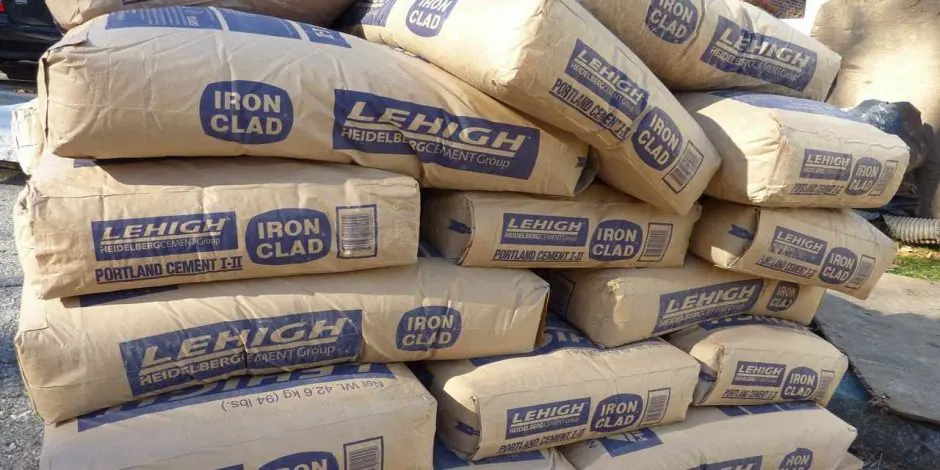
The Egyptian cement market experienced a relatively calm day on Thursday, October 1, 2026, with prices holding steady across various manufacturers and regions. The average price of cement for consumers stood at 4,200 pounds per ton, while the average price for cement delivered to factory gates was around 3,820 pounds per ton. This stability comes amid a balanced supply and demand dynamic, with construction companies and real estate developers closely monitoring the market for potential price fluctuations.
Despite recent increases in fuel prices, the cost of transporting and distributing cement has remained relatively stable, contributing to the current price equilibrium. However, market participants are awaiting the impact of the government's decision to raise natural gas prices for industrial use, which may affect production costs and, subsequently, cement prices in the near future. The Egyptian cement industry has been working to optimize production and maintain competitiveness in both domestic and international markets.
Egypt's cement exports have demonstrated resilience and growth, driven by increasing demand from external markets and the industry's enhanced competitive edge. According to data from the Egyptian Export Council for Building Materials, Egyptian cement was exported to 95 countries worldwide, with African markets being the primary destination. The proximity to these markets, coupled with the high quality and competitive pricing of Egyptian cement, has facilitated this growth in exports.
Egypt has solidified its position as a major cement exporter globally, ranking third worldwide and first in the Arab world. In the first 11 months of 2025, the country's cement exports exceeded $800 million. Egyptian cement companies are targeting further expansion into African and Libyan markets, as well as increasing their presence in neighboring countries, leveraging their competitive pricing and diverse product offerings.
The stability of cement prices in the domestic market can be attributed to a relative balance between production capacity and demand. Additionally, the growth in exports has played a crucial role in supporting the industry. Cement is a strategic commodity in Egypt's construction and real estate sectors, directly influencing housing projects, urban development, and infrastructure initiatives. This underpins expectations of continued market stability, given the current production levels and companies' expansion into external markets.
Key players in the Egyptian cement industry continue to focus on enhancing their production capabilities and exploring new export opportunities. This approach aims to mitigate potential impacts from fluctuations in global market conditions and to maintain the sector's growth trajectory. With its significant role in the country's economy, the cement industry is poised to navigate future challenges while capitalizing on emerging opportunities.
As the construction sector remains a vital component of Egypt's economic development, the stability and growth of the cement market are of considerable interest to stakeholders. With prices currently stable and exports on an upward trend, the outlook for the Egyptian cement industry appears positive, assuming that global market dynamics and local economic conditions continue to support this trajectory.
Key points
- Egypt's cement prices remain stable, with an average consumer price of 4,200 pounds per ton.
- Egyptian cement exports have shown significant growth, with over 95 countries importing Egyptian cement.
- The country ranks third globally and first in the Arab world in terms of cement exports.