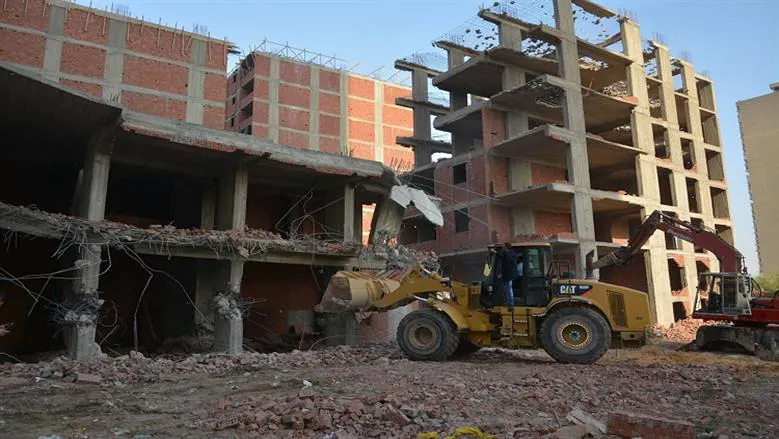
Egypt's Law 187 of 2023, concerning the settlement of certain building violations and regularization of their status, has identified specific cases where settlement is permissible. These include changing usage in certain areas, some encroachments on regulatory lines and easements, and specific violations in buildings of distinctive architectural style. Additionally, the law covers violations within areas of significant value and exceeding height restrictions in permitted cases. The law also addresses construction on state lands after regularization of possession and changes in property usage in areas with detailed plans.
The law specifies eight types of building violations that can be settled, providing a framework for property owners to rectify their status. These violations include changing the use of properties in areas with detailed plans, certain instances of construction outside urban areas, and construction on state-owned land after regularization of possession. By outlining these cases, the law aims to provide clarity and opportunities for property owners to comply with regulations.
Conversely, the law also outlines five cases where a settlement request may be rejected or a previously accepted decision considered null. These cases include the rejection of a request by the committee and the lapse of the appeal period, failure to pay the settlement fee within the specified deadlines, non-payment of two installments of the fee, changes or modifications to the subject of the settlement, and inaccuracies in submitted documents or data.
Upon the issuance of a decision accepting the settlement and regularization of the situation, several legal consequences follow. The law stipulates that any related lawsuits concerning the violation will be terminated, regardless of their status, and investigations will be closed if no disposition has been made. Furthermore, the enforcement of any penalty imposed by a final judgment in the matter of the violation will be suspended.
The acceptance of settlement and regularization of the situation under the law has significant implications. It effectively serves as a license, producing all its legal effects. However, property owners are prohibited from making any changes or modifications to the violating works that were the subject of the settlement request after the issuance of the acceptance decision, except through legally prescribed procedures.
The settlement process under Law 187/2023 aims to provide a structured approach for addressing building violations. By defining specific violations that can be settled and the conditions for doing so, the law seeks to encourage compliance and regularization of property status. This approach can help in reducing the number of illegal constructions and promoting adherence to urban planning regulations.
Overall, Law 187/2023 represents a significant step in managing and regulating building violations in Egypt. By providing clear guidelines on the settlement process and the implications of accepting or rejecting a settlement request, the law offers property owners a pathway to legal compliance. This can contribute to enhancing urban planning and development in Egypt.
Key points
- The law identifies specific building violations that can be settled.
- There are five cases where a settlement request may be rejected.
- Accepting a settlement leads to the termination of related lawsuits and investigations.