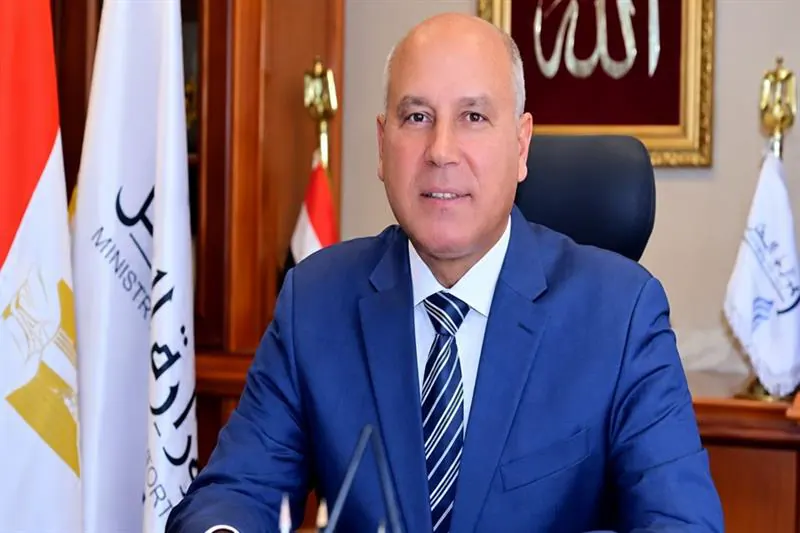
Egypt's Transport Minister Kamel Al-Wazir has dismissed concerns raised by Israeli media over the development of a railway network in Sinai. The project, which aims to connect Arish with Taba, is part of a broader effort to develop the region and reconnect it with the rest of Egypt. Al-Wazir emphasized Egypt's right to build transport infrastructure on its own territory, stressing that the project is not intended to target anyone.
The railway network, spanning approximately 500 kilometres, will extend from Fardan through East Port Said, Bir Al-Abd, and Arish to Taba. The project is expected to support freight transport and economic activity across Sinai, connecting Arish Port on the Mediterranean with Taba Port on the Gulf of Aqaba. Al-Wazir described the project as a "development corridor" that will transport goods and people, without posing a threat to anyone.
The minister highlighted the potential of the railway to carry trade from Arab countries, as well as goods arriving from India and China through Arab Gulf states. He explained that cargo passing through Aqaba could enter Egypt through Taba and travel north to Arish, creating a new logistics corridor. This project is part of a larger effort to develop eight international logistics corridors in Egypt, connecting ports with industrial, agricultural, and mining areas.
The Sinai railway project is accompanied by the expansion of Arish Port, which Al-Wazir inspected on 19 September. A 12-kilometre railway connection to the port is also under construction. The project is part of a broader development programme in Sinai, which includes upgrading transport links, expanding hospitals and primary healthcare facilities, and improving desalination and wastewater treatment to support agriculture.
Al-Wazir's comments come after Egyptian passenger railway trials between Fardan and Bir Al-Abd began on 7 October 2024, ending a hiatus of more than 50 years. The reopened Fardan-Bir Al-Abd railway now supports passenger and freight services, with four daily passenger journeys between Qantara East and Bir Al-Abd. Railway authority chairman Mohamed Amer reported that reopening the Fardan Bridge and connecting the line to East Port Said Port had helped increase freight services from one train a week to daily operations.
The development of the Sinai railway is part of a larger effort to reconnect the region with the rest of Egypt. Al-Wazir, recalling his tenure as head of the Armed Forces Engineering Authority, noted that projects such as the Suez Canal, tunnels beneath the canal, and new roads had helped to bring Sinai back into the development process. These projects have helped to create a sense of connection to the country among younger generations who did not experience the 1967 and 1973 wars.
Egypt has allocated around EGP 35 billion in public investment for North and South Sinai across the 2025/2026 and 2026/2027 fiscal years. The Sinai development programme earmarks EGP 25 billion for North Sinai and EGP 10 billion for South Sinai, with 59 percent directed to human development and 41 percent to infrastructure. The programme aims to attract private investment and create jobs, as part of a broader effort to support economic growth and development in the region.
Key points
- Egypt's Transport Minister Kamel Al-Wazir dismisses Israeli concerns over the development of a 500-kilometre railway network in Sinai.
- The railway project aims to connect Arish with Taba, supporting freight transport and economic activity across Sinai.
- Egypt has allocated EGP 35 billion for North and South Sinai development across the 2025/2026 and 2026/2027 fiscal years.