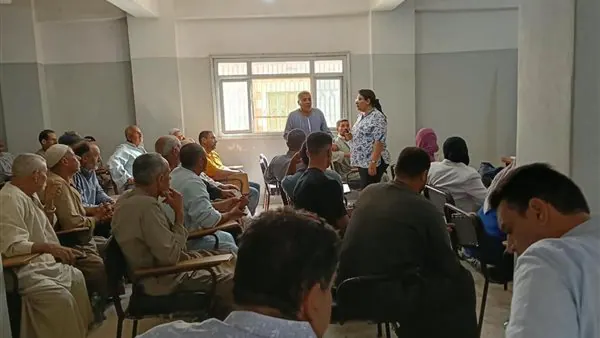
The Egyptian Ministry of Agriculture and Land Reclamation, through the General Organization for Veterinary Services, partnered with the Food and Agriculture Organization (FAO) of the United Nations to execute a three-day training workshop. The event aimed to enhance the capabilities of veterinarians and breeders in parasite management and promote rational use of antiparasitic medications. This initiative is part of the "Tackling Climate Change through Sustainable Livestock Management" (TACLIM) project.
The workshop, which took place on October 10, 2026, focused on integrated parasite management, reviewing the field manual for parasite control and its practical application. Veterinarians were introduced to fundamental principles of parasite management, types of parasites, their life cycles, and associated risk factors. Sessions also covered diagnostic methods and rational use of antiparasitic medications, enabling veterinarians to apply scientific guidelines in their daily practice.
Effective communication between veterinarians and breeders was emphasized, along with conveying awareness messages related to parasite prevention and control. The workshop included case studies and group exercises to enhance participants' technical and field capacities. The training also highlighted the importance of collaboration between veterinarians and breeders in controlling parasites and maintaining animal health.
The second and third days of the workshop targeted breeders, focusing on the impact of parasite infestations on animal health and productivity. Sessions explained the significance of recognizing signs of infestation and consulting veterinarians when symptoms appear. The life cycles of parasites, transmission methods, and control measures were also discussed, enabling breeders to detect issues early and take preventive actions.
The training emphasized the risks of random use of antiparasitic medications and encouraged responsible use, adhering to veterinary guidelines. This approach aims to improve the effectiveness of control programs and maintain animal health. The workshop also introduced campaigns by the General Organization for Veterinary Services aimed at controlling parasites and mitigating their effects on livestock.
The event included activities to translate scientific messages into practical applications within farms, fostering a stronger partnership between veterinarians and breeders. This collaboration is expected to enhance parasite prevention and control, minimizing their impact on animal health and productivity. The initiative aligns with the "One Health" approach, promoting sustainable livestock management and addressing climate change challenges.
The TACLIM project supports the Egyptian Ministry of Agriculture and the FAO's efforts to promote rational drug use, improve animal health, and ensure sustainable production. By enhancing the capabilities of veterinarians and breeders, the project contributes to a more resilient livestock sector, better equipped to face challenges related to climate change and animal health.
Key points
- The workshop aimed to enhance the capabilities of veterinarians and breeders in parasite management and promote rational use of antiparasitic medications.
- The initiative is part of the "Tackling Climate Change through Sustainable Livestock Management" (TACLIM) project.
- The event promoted the "One Health" approach, emphasizing collaboration between veterinarians, breeders, and other stakeholders in maintaining animal health and sustainable production.