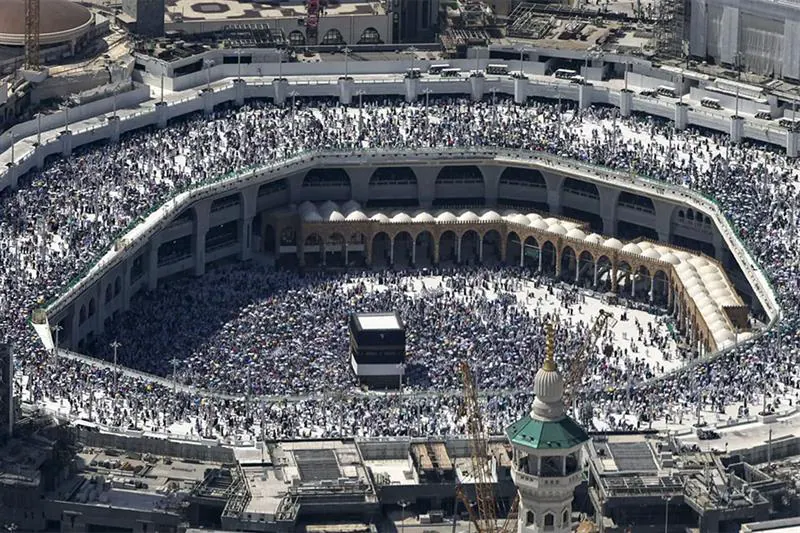
The Egyptian government has made significant changes to its tourist Hajj system for the 2027 season. The Ministry of Tourism and Antiquities has redistributed pilgrimage quotas, revised official price ceilings, and introduced new accommodation categories. The changes aim to improve the overall experience for pilgrims and enhance the regulation of travel companies. The new system has been implemented in response to the growing demand for Hajj pilgrimages and the need for better management of the process.
The total number of Tourist Hajj places for 2027 remains unchanged at 30,650 visas. However, the distribution of these visas has been substantially reorganized. The number of Overland places for pilgrims has decreased from 5,700 in 2026 to 2,700 in 2027, a reduction of 3,000. In contrast, the combined allocation for Tourist Towers and Camps has increased from 7,740 to 9,800, an increase of 2,060 places. Economy Air has gained another 940 places, rising from 17,060 to 18,000.
The different categories of Tourist Hajj offer varying levels of accommodation, distance from the Grand Mosque, and transportation to Saudi Arabia. The Tourist Towers programme provides pilgrims with accommodation in towers in Mina, with meals provided, and higher-standard hangars or tents in Arafat. The package also includes at least two nights in a Tourist A hotel no more than 250 meters from the Grand Mosque in Mecca and at least three nights in central Medina. The Tourist Camps programme has three categories, offering different levels of accommodation and distance from the Grand Mosque.
The new regulations also introduce stricter accommodation requirements. Hotels more than 1,250 meters from the Grand Mosque must provide shuttle buses for pilgrims. The maximum distance permitted for accommodation is 4 kilometers. Pilgrims can pay extra for accommodation closer to the Grand Mosque. For example, an additional EGP 17,000 can secure a Tourist A hotel within 250 meters of the mosque, while EGP 14,000 provides accommodation between 250 and 750 meters away.
The official price ceilings for the 2027 Tourist Hajj system have increased, with the size of the increase varying considerably depending on the category. Camps A recorded the largest rise, with its ceiling increasing by EGP 90,000, or 16.1 percent, from EGP 560,000 to EGP 650,000. The ministry's official prices are maximum base prices, calculated for four people sharing a room, and do not include airline tickets and ferry tickets.
The final price charged by travel companies may differ from the official price ceilings. Companies can charge less than the official ceiling but must provide all the services promised in their contract. Additional services must be listed and priced in a separate contract submitted for ministry approval. The difference between official ceilings and commercial packages can be substantial, with some packages offering extra transport, better accommodation, and fewer people sharing a room.
The Egyptian Tourism Federation had previously denied reports that overland Hajj would be canceled altogether. The changes to the Tourist Hajj system follow debate earlier this year over the future of land-based Hajj. The new regulations aim to improve the overall experience for pilgrims and enhance the regulation of travel companies. The ministry's efforts to improve the Hajj experience are expected to benefit pilgrims and the tourism industry as a whole.
Key points
- The Egyptian government has overhauled its tourist Hajj system for 2027, introducing new quotas, prices, and regulations to improve the pilgrimage experience.
- The total number of Tourist Hajj places for 2027 remains unchanged, but the distribution of visas has been reorganized, with a decrease in Overland places and increases in Tourist Towers, Camps, and Economy Air.
- The official price ceilings for the 2027 Tourist Hajj system have increased, with the largest rise recorded in Camps A, which increased by EGP 90,000, or 16.1 percent.