Egypt marked the anniversary of its 1973 war victory, a conflict that saw the country reclaim the Sinai Peninsula from Israeli occupation. The war, launched on October 6, 1973, was a pivotal moment in Egyptian history, demonstrating the country's military prowess and its determination to regain lost territory. The victory has been remembered and celebrated annually, with President Anwar El-Sadat being hailed as a hero for his leadership during the war.
Two images have emerged as symbols of Egypt's October victory and the attempts by extremist groups to co-opt the achievement. The first image is of President Sadat addressing the Egyptian parliament after the war, reassuring his commanders that the country's soldiers and officers are safe. The second image is of Mohamed Morsi, the leader of the Muslim Brotherhood, riding in President Sadat's car during a 2013 celebration, claiming that his group was responsible for the victory.
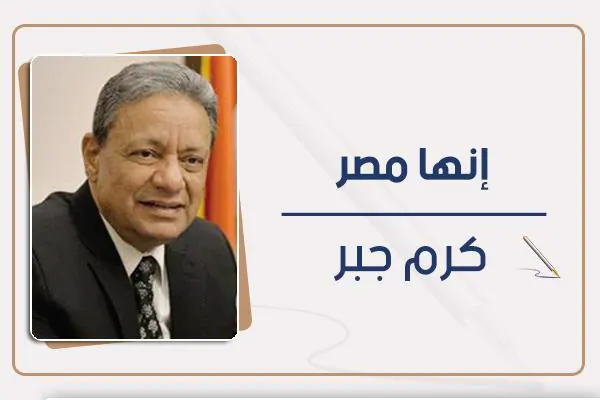
According to Egyptian author and analyst, Karam Gaber, President Sadat was not a reckless or impulsive leader, but a strategic thinker who took the decision to go to war only after careful consideration. Gaber noted that Sadat was deeply concerned about the welfare of his soldiers and officers, and worked tirelessly to ensure their safe return home. When a breach occurred in the Egyptian lines during the war, Sadat could have opted to use force to rectify the situation, but instead chose to negotiate a ceasefire.
Sadat's leadership during the 1973 war was marked by his ability to balance military and diplomatic considerations. He invested the gains made during the war to pressure the United States and Israel into accepting a ceasefire and withdrawing from Egyptian territory. The president's greatest joy was ensuring that his soldiers had survived the conflict with their lives and equipment intact.
In contrast, extremist groups such as the Muslim Brotherhood have attempted to claim the October victory as their own. Morsi's 2013 celebration, where he rode in Sadat's car, was seen as an attempt to co-opt the achievement and legitimize his group's role in Egyptian politics. However, this effort was widely seen as a failure, as the Egyptian people rejected the Brotherhood's attempts to hijack the country's history.
The Muslim Brotherhood's efforts to claim the October victory were part of a broader attempt to reshape Egyptian identity and politics. The group sought to impose its own ideology and values on the country, but ultimately failed to gain widespread support. Instead, the Egyptian people rallied around their national identity and the values of the 1973 war, which emphasized patriotism, sacrifice, and the defense of the country.
Today, Egypt continues to celebrate its October victory as a testament to the country's military prowess and its people's resilience. The anniversary serves as a reminder of the country's complex history and the ongoing efforts to define its national identity. As Egypt moves forward, it is clear that the legacy of the 1973 war will continue to play an important role in shaping the country's politics and culture.
Key points
- The 1973 war was a pivotal moment in Egyptian history, marking the country's victory over Israel and the reclamation of the Sinai Peninsula.
- Extremist groups, such as the Muslim Brotherhood, have attempted to claim the October victory as their own, but have been largely unsuccessful.
- The legacy of the 1973 war continues to shape Egyptian politics and culture, serving as a reminder of the country's national identity and its people's resilience.