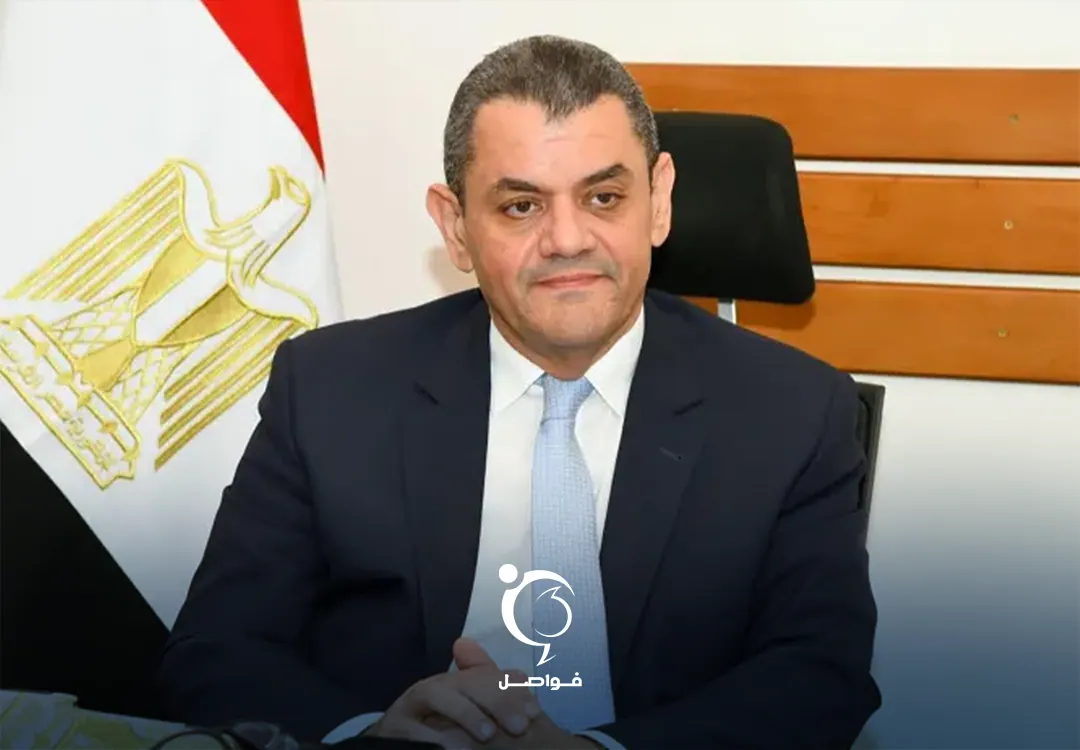
Egypt's Foreign Ministry spokesperson, Nader Zaki, has reiterated his country's rejection of the maritime agreement between Libya and Turkey. The agreement was recently ratified by the Libyan House of Representatives. Zaki stated that Egypt's stance on the matter remains unchanged, and the agreement is considered "null and void" from a legal perspective. He described such agreements as "mere ink on paper," implying they hold no real value.
According to Zaki, Egypt has presented evidence of how the agreement violates its rights in the exclusive economic zone and continental shelf from a legal standpoint. The Egyptian government has expressed concerns over the implications of this agreement on its territorial waters. Zaki's comments reflect Egypt's firm position on the issue, emphasizing that the agreement's ratification by Libya does not change its legal status.
Turkish Foreign Minister Hakan Fidan reportedly understood Egypt's concerns regarding the maritime agreement. Fidan emphasized the need for consultation and dialogue to reach a mutually beneficial solution. This indicates a potential willingness from Turkey to engage in discussions with Egypt over the disputed maritime boundaries. The two nations may explore diplomatic channels to address their differences.
Egypt's Foreign Ministry has been actively pursuing legal, political, and diplomatic efforts to address the issue. The country is seeking to protect its interests in the region and ensure that its rights are respected. Egypt's commitment to defending its territorial claims is evident in its continued engagement with international partners and institutions.
The maritime agreement between Libya and Turkey has sparked reactions from other regional countries. Greece and Cyprus have expressed concerns over the implications of the agreement on their own territorial waters. The agreement has also drawn attention from European nations, with the European Parliament reiterating its support for Greece and Cyprus in the face of Turkey's maritime claims.
In response to the Libya-Turkey agreement, Cyprus has announced its readiness to sign a similar maritime deal with Greece. This move is seen as a counterbalance to Turkey's growing influence in the region. The development highlights the complex geopolitics at play in the Eastern Mediterranean, with multiple nations vying for influence and resources.
The issue remains a point of contention in the region, with various nations seeking to assert their claims and protect their interests. Egypt's rejection of the Libya-Turkey agreement is part of a broader regional dynamic, with countries like Greece, Cyprus, and Turkey all playing a role in shaping the maritime boundaries of the Eastern Mediterranean.
Key points
- Egypt's Foreign Ministry spokesperson describes the Libya-Turkey maritime agreement as "mere ink on paper."
- Turkey's Foreign Minister Hakan Fidan expressed understanding of Egypt's concerns over the agreement.
- Cyprus has announced its readiness to sign a similar maritime deal with Greece in response to the Libya-Turkey agreement.