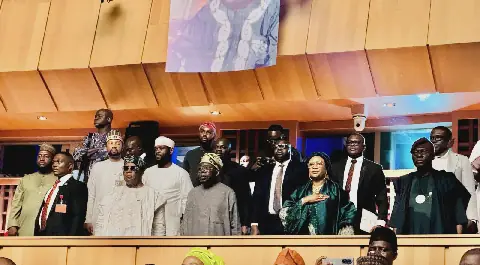
Egyptian President Abdel Fattah el-Sisi recently convened a meeting at the Strategic Command headquarters in the new capital to discuss various national issues. The meeting was attended by the Prime Minister, government officials, governors, and leaders of the armed forces and police. The discussions focused on managing state resources, promoting trust in institutions, and maintaining internal cohesion. The President emphasized the importance of public awareness in the face of multiple tools that can be used to harm the state, including social media platforms.
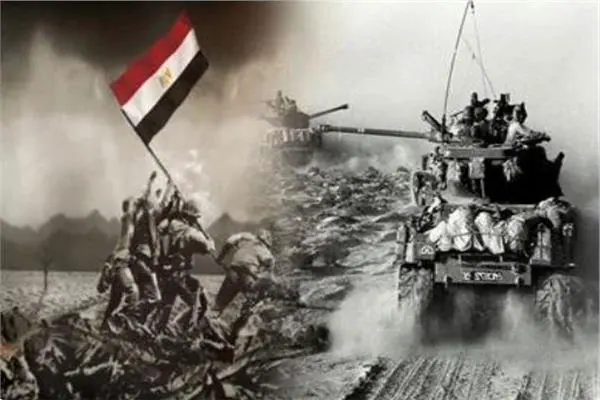
The October 1973 war marked a significant turning point in Egyptian history, and 53 years later, the battle for awareness has returned to the forefront. This is not just about recalling war memories but also about dealing with information and protecting national memory. The preparation for the October War involved a long process of planning, preparation, and information management. The media played a crucial role during the war, serving as part of the system for managing public opinion at home and abroad.
During the 1973 war, the media landscape was vastly different from today. Radio, television, and newspapers were the primary sources of information for citizens. Official military data represented a main source of news related to the war's progress. The Egyptian Broadcasting Corporation, known as Maspero, played a vital role in conveying war details to Egyptians. Citizens followed official updates and battle developments through radio and television.
The international media closely followed the events on the Egyptian and Syrian fronts. News agencies and international newspapers provided continuous coverage of the war's expansion and the Egyptian forces' success in crossing the Suez Canal. The international media's coverage of the war provides valuable insights into how the event was perceived globally. Different newspapers and agencies covered the story in various ways, reflecting their sources and timing.
The Daily Telegraph, a British newspaper, covered the Egyptian forces' crossing of the Suez Canal and breaching Israeli fortifications. This coverage is significant in understanding the global reaction to the war. The press's role in documenting the war's developments is crucial, as it provides a window into the event from an external perspective. The war's progression and the changing military landscape were reflected in international media coverage.
The media's role in shaping public perception and documenting history is essential. Maspero's archive, along with those of Egyptian and international newspapers, holds great importance for understanding the relationship between media and society during times of conflict. The challenge today lies in verifying information and distinguishing between fact and fiction in the digital age. The October War's legacy serves as a valuable lesson in navigating these challenges.
The commemoration of the October War's 53rd anniversary serves as an opportunity to educate new generations about the event's significance. By combining traditional archival materials with modern technology, it is possible to present history in an engaging and informative way. This approach can help young people understand the war's context and importance while learning critical skills for navigating the digital information landscape.
Key points
- The Egyptian government is emphasizing the importance of public awareness and media literacy in the face of disinformation and manipulation.