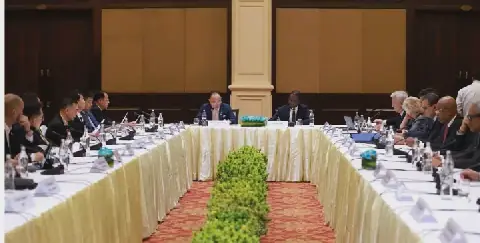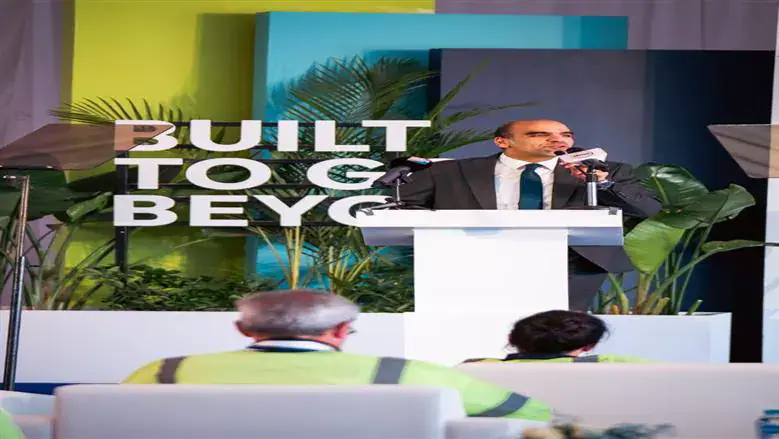
Egypt's Minister of Industry, Khalid Hisham, stated that the country's construction materials sector, particularly cement, plays a vital role in the national economy. The sector contributes significantly to infrastructure projects, housing, urban expansion, and major national projects, driving economic growth. As a strategic industry closely tied to national security, the cement industry is crucial for achieving sustainable development.
Egypt is home to 19 multinational cement companies, reflecting the country's attractiveness to industrial investments. The nation has a strong industrial base in cement production, ranking eighth globally and first in Africa. The sector's competitive advantages include Egypt's strategic location, port network, logistics infrastructure, and skilled workforce. These factors make Egypt an attractive destination for long-term industrial investments.
The reactivation of the fifth production line at Holcim Egypt's cement plant in Ain Sokhna, with investments exceeding 1.3 billion EGP, marks a significant milestone. The line, which had been inactive for seven years, will create 560 direct and indirect job opportunities. This project demonstrates the Egyptian industrial sector's efforts to enhance production capacities and utilize industrial assets efficiently.
Energy availability and cost are critical factors in industrial competitiveness, directly impacting production costs and product pricing. The Ministry of Industry prioritizes ensuring a stable and affordable energy supply, promoting the use of alternative fuels, such as those derived from waste. Holcim Egypt's efforts in using alternative fuels through its Geocycle platform exemplify the sector's commitment to sustainability and environmental responsibility.
Egypt's industrial capabilities position it to serve regional and international markets. To leverage these capabilities, the Ministry of Industry focuses on three key areas: maximizing the use of existing production capacities, increasing exports, and enhancing foreign exchange earnings. This approach aims to balance production, meet domestic demand, and expand exports while maintaining competitive pricing.
The Minister emphasized the importance of corporate social responsibility, encouraging companies to contribute positively to local communities, provide job opportunities, and develop human skills. By doing so, businesses can support sustainable and inclusive industrial growth. Companies operating in Egypt are urged to continue playing a constructive role in the communities they operate in, fostering long-term value and development.
The Egyptian government aims to create a balanced industrial environment that ensures production sustainability, meets domestic market needs, and allows for export expansion. By promoting investments in waste treatment and recycling, the government seeks to create new opportunities for sustainable growth. The country's experience in using alternative fuels and its strategic partnerships with multinational companies like Holcim will be crucial in driving future industrial development.
Key points
- Egypt ranks eighth globally and first in Africa in cement production, with 19 multinational companies operating in the sector.