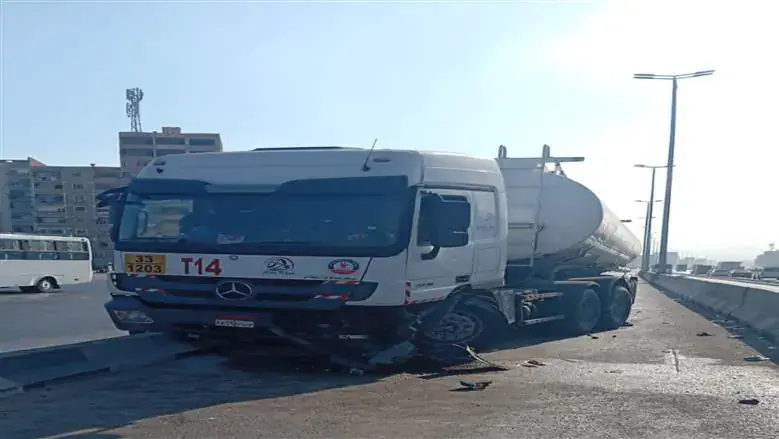
The Egyptian transport union, led by Mohamed Abul Abbas, has proposed a comprehensive plan to enhance the safety of petroleum transportation in the country. This plan comes in response to a recent accident on the Cairo ring road in Al-Waraq, which highlighted the need for stricter safety measures. The union's proposal includes four main axes to ensure the secure transportation of petroleum products.
The first axis focuses on securing the movement of petroleum materials. This involves reorganizing the departure times of vehicles transporting petroleum products to avoid peak traffic hours. The union also suggests implementing a traffic escort system for high-risk shipments and designating safe routes for transporting hazardous materials. Additionally, companies operating in this sector would be required to provide electronic tracking systems for their vehicles.
The second axis aims to improve the efficiency of vehicles and tanks used for transporting petroleum products. This includes conducting regular, specialized technical inspections of fuel tanks, trailers, and vehicle components. The union also emphasizes the importance of ensuring that vehicles are equipped with appropriate firefighting and emergency equipment. A regulatory system would be established to prevent the operation of vehicles that do not meet safety standards.
The third axis prioritizes the protection and professional training of drivers. The union proposes mandatory training programs for drivers of vehicles transporting hazardous materials, covering safe driving, emergency response, and accident management. Regular medical and professional evaluations would also be required to ensure drivers are fit for their duties. The union stresses that drivers should not be held solely responsible for accidents without investigating technical and operational factors.
The fourth axis involves developing an emergency response system on the roads. This includes establishing rapid intervention points for civil protection and ambulance services on major roads and highways. The union also recommends providing specialized equipment for dealing with fires involving petroleum products and improving the immediate reporting of accidents. Arrangements for emergency traffic management and rescue access would also be developed.
Abul Abbas emphasizes that securing petroleum transportation requires stricter oversight and regular technical inspections of vehicles, as well as ensuring drivers receive necessary training. He also highlights the importance of reviewing working hours and rest periods for drivers to prevent fatigue-related accidents. The union's proposals aim to enhance safety standards and prevent accidents during petroleum transportation.
The union's plan has been developed in coordination with relevant authorities, including the Ministry of Labor and traffic agencies. The goal is to establish effective prevention and rapid response mechanisms for accidents, ultimately improving occupational safety and protecting workers and road users. The implementation of these measures is expected to significantly reduce the risks associated with petroleum transportation in Egypt.
Key points
- The Egyptian transport union has proposed a four-axis plan to secure petroleum transportation, including securing movement, improving vehicle efficiency, protecting drivers, and developing emergency response systems.