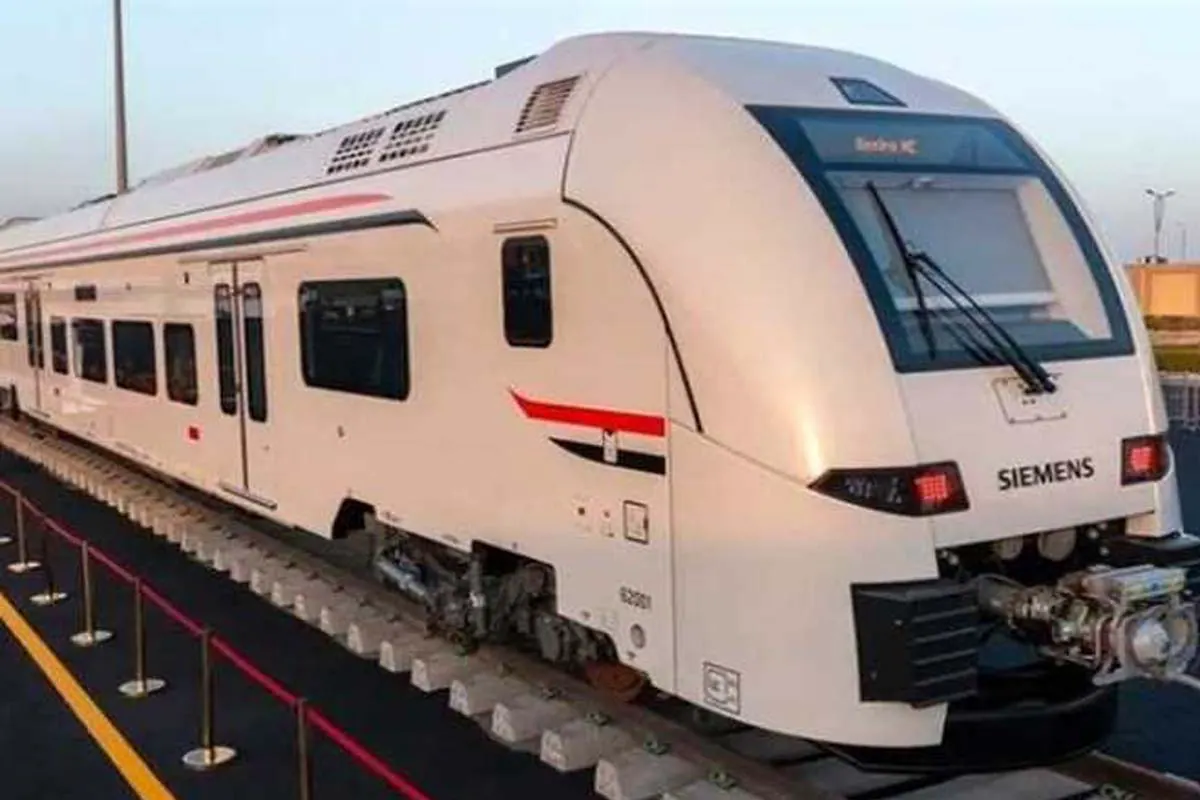
Egypt's Ministry of Transport is set to begin trial operations for a section of Line 1 of the Sokhna–Alamein–Matrouh high-speed electric train network. The ministry reported substantial progress across multiple route sections handed over to an international consortium comprising Siemens, Orascom, and Arab Contractors. Field work continues at full pace to ensure the system's readiness.
The Line 1 project has made significant progress since construction began in 2021. The line is expected to cost approximately $4.45 billion (EGP231 billion) and is slated for completion by late 2026. Work on the network includes installing sleepers, laying ballast and rails, erecting catenary masts, and implementing electromechanical systems.
The trial runs aim to test operational efficiency against the highest global safety standards before a gradual rollout across all route segments. According to officials, these measures are crucial to ensuring the system's readiness for operation. The high-speed electric rail network is considered an integrated development project rather than just a transportation project.
Transport Minister Kamel El-Wazir emphasized that Line 1 is a key axis within Egypt's Sokhna–Alexandria logistics corridor. He noted that it can be seen as a new Suez Canal on tracks, providing a direct and rapid connection between the Red Sea and the Mediterranean. This connection is expected to boost Egypt's transportation infrastructure and economic growth.
The full high-speed electric rail network consists of four main lines spanning 2,250 kilometres and including 60 stations. The first three lines account for 2,000 kilometres under construction. The network is expected to transform Egypt's transportation landscape and provide a significant boost to the country's economy.
Officials detailed the major service infrastructure inside the workshop complex, including a major overhaul building covering 67,000 square metres. The complex features areas for periodic and comprehensive maintenance, specialized auxiliary workshops, and extensive storage facilities. The depot also includes train storage buildings and auxiliary technical buildings.
The project is expected to have a significant impact on Egypt's economy and transportation infrastructure. With its completion, the high-speed electric rail network will provide a rapid and efficient connection between major cities and economic hubs. The project's progress is being closely monitored, with officials working to ensure its timely completion.
Key points
- The project cost is approximately $4.45 billion (EGP231 billion).
- The high-speed electric rail network consists of four main lines spanning 2,250 kilometres and including 60 stations.
- The project is expected to be completed by late 2026.