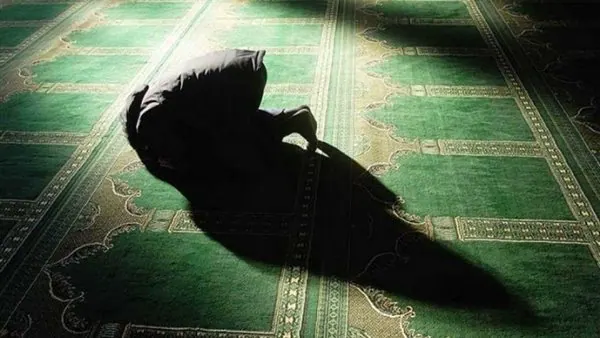
In Egypt, Muslims perform five daily prayers, a crucial part of their spiritual practice. These prayers, obligatory for all Muslims, serve as a direct connection between the individual and their Creator. Through these rituals, Muslims seek spiritual growth, peace, and guidance. The prayers are performed at specific times, with the Azan, or call to prayer, marking the beginning of each prayer session.
The five daily prayers have numerous benefits, extending beyond spiritual growth to encompass physical and social well-being. Physically, the movements involved in prayer, such as standing, bowing, and prostrating, provide a gentle exercise that improves blood circulation and flexibility. Socially, congregational prayers, particularly in mosques, foster a sense of community and equality among Muslims, as they stand together, united in their devotion.
The timings of the five daily prayers are based on the sun's position and vary across different cities in Egypt. For Cairo, the prayer times are: Fajr (5:18 am), Dhuhr (12:47 pm), Asr (4:13 pm), Maghrib (6:48 pm), and Isha (8:05 pm). In Alexandria, the timings are slightly different, with Asr at 4:18 pm. In other cities, such as Aswan, the Asr prayer is at 4:05 pm, while in Ismailia, it is at 4:09 pm.
The Azan, or call to prayer, holds significant importance in Islamic tradition. It serves as a reminder of the prayer times and encourages Muslims to attend congregational prayers at mosques. The Azan is considered a communal obligation, and if performed by some, it is no longer obligatory for others. However, its significance extends beyond its practical purpose, as it symbolizes the unity and solidarity of the Muslim community.
Performing prayers in congregation has immense rewards, with the Prophet Muhammad (peace be upon him) stating that those who attend Fajr and Isha prayers in congregation are considered to have stood for half or all of the night in prayer. Attending congregational prayers also provides an opportunity for Muslims to connect with their community, strengthen their faith, and seek spiritual growth.
The Egyptian Ministry of Awqaf and Islamic Affairs, through its various mosques and institutions, plays a vital role in promoting Islamic values and facilitating the performance of prayers. The Ministry's efforts aim to create an environment conducive to spiritual growth, education, and community building. By providing resources and support, the Ministry enables Muslims to observe their daily prayers and engage in other Islamic practices.
As Muslims in Egypt and around the world prepare for the day's prayers, they reflect on the significance of these rituals in their lives. Through their daily prayers, Muslims seek guidance, forgiveness, and spiritual growth, while also fostering a sense of community and unity. By observing these fundamental practices, Muslims strive to lead a life of purpose, compassion, and devotion.
Key points
- - Prayer times vary across Egyptian cities, with specific timings for Fajr, Dhuhr, Asr, Maghrib, and Isha. - Congregational prayers foster a sense of community and equality among Muslims. - Performing prayers in congregation has significant rewards, including spiritual growth and a sense of unity.