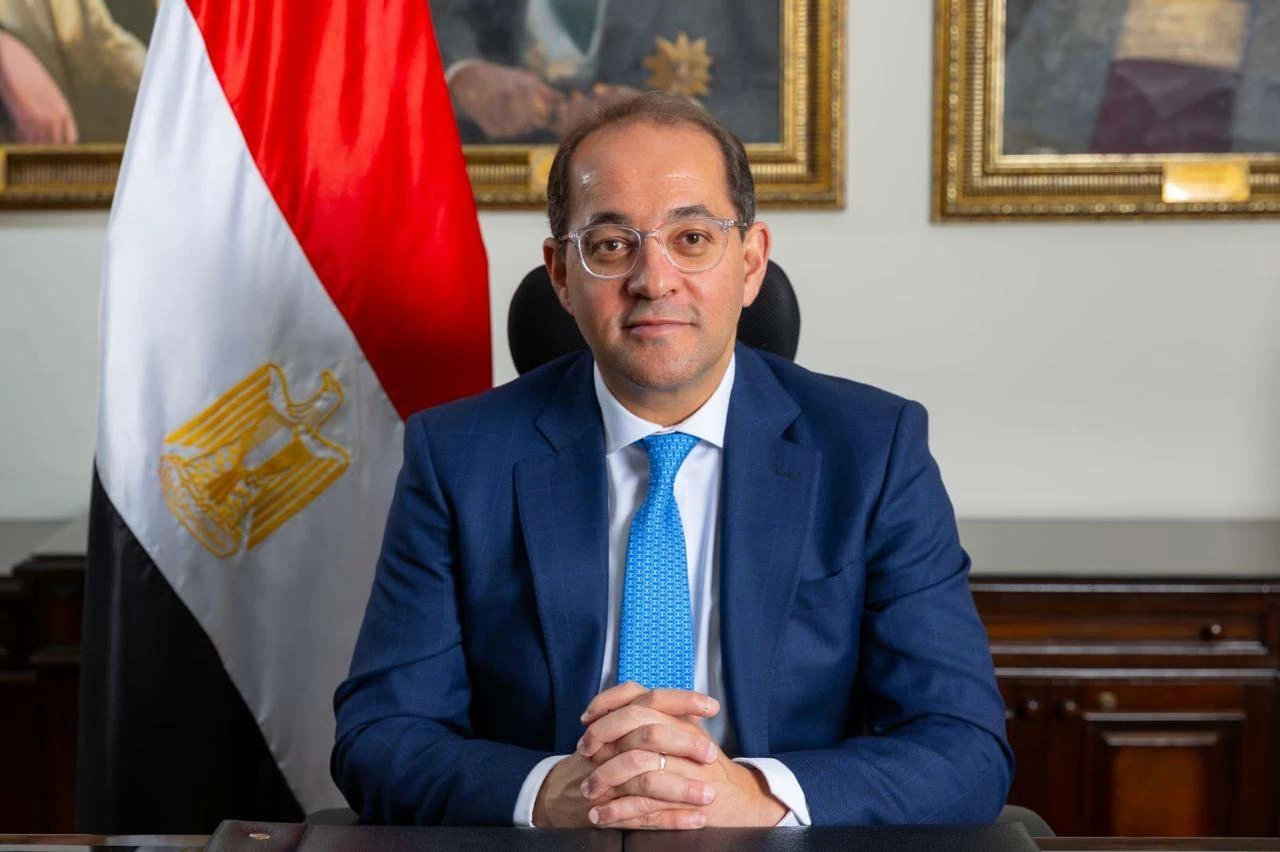
Egyptian Finance Minister Dr. Ahmed Kujuk has announced that the government plans to execute 3 to 5 divestment deals from state assets and companies in the current fiscal year, with an estimated value of $1.5 billion. This move is part of the government's efforts to reduce the country's debt-to-GDP ratio to 78% in the coming year. The minister made these remarks during a meeting with members of the American Chamber of Commerce, led by Omar Mehna, the chamber's president.
According to Minister Kujuk, reducing the cost of borrowing by 3% can save between 450 and 500 billion Egyptian pounds, which can be directed towards citizens, businesses, and services. He described this amount as "enormous." The minister emphasized the government's commitment to supporting the private sector and increasing private investments through various incentives, expanding the tax base, accelerating digital transformation, and improving services.
The Egyptian government is working to strengthen its relationship with international financial institutions, with a strong and multifaceted connection to these organizations. Minister Kujuk noted that the relationship with the International Monetary Fund (IMF) depends on several factors, and the government is currently preparing an economic program for the next phase, which will be presented for public discussion soon. The government maintains regular communication with the IMF in the areas of technical assistance and traditional reviews.
Minister Kujuk reported that the tax revenue-to-GDP ratio has increased by about one percentage point, primarily due to improvements in the tax system rather than imposing new burdens on taxpayers. He also noted that the external debt of the budget sector has decreased by about $6 billion over the past three years, exceeding the initial commitment to reduce it by $1-2 billion.
The Ministry of Finance has maintained its plan to issue international bonds worth $3-4 billion, with the possibility of larger issuances, to solidify investor confidence in the government's targets and commitments. Minister Kujuk emphasized the ministry's goal of reducing the number of tax disputes referred to external parties to zero, by establishing fair, transparent, and predictable mechanisms for resolving conflicts within the ministry.
The minister described the reform process as ongoing and not limited to a specific timeframe, adding that the government will present a new program of reforms and policies to the public to gather feedback from international institutions, citizens, and the private sector. This program aims to maintain macroeconomic stability, unlock the potential of the private sector, and provide the necessary resources to achieve better returns for citizens, the economy, and companies.
When evaluating economic performance in the coming year, Minister Kujuk identified key indicators, including private investment, performance of goods and services exports, and the economy's ability to attract new investors and companies into the formal system. The government is committed to achieving these goals and promoting sustainable economic growth.
Key points
- Egypt aims to reduce its debt-to-GDP ratio to 78% in the coming year.
- The government plans to execute 3-5 state divestment deals worth $1.5 billion in the current fiscal year.
- Reducing the cost of borrowing by 3% can save between 450 and 500 billion Egyptian pounds.