Egypt faces a growing domestic gas supply gap, with production estimated at 3.8 billion cubic feet per day, compared to average demand of 6.2 billion cubic feet per day. The gap widens sharply during summer, reaching 3.4-3.5 billion cubic feet per day. To address this, Egypt has been importing gas from pipeline imports, including from Israel, and LNG purchases, while accelerating exploration and field development to raise domestic output.
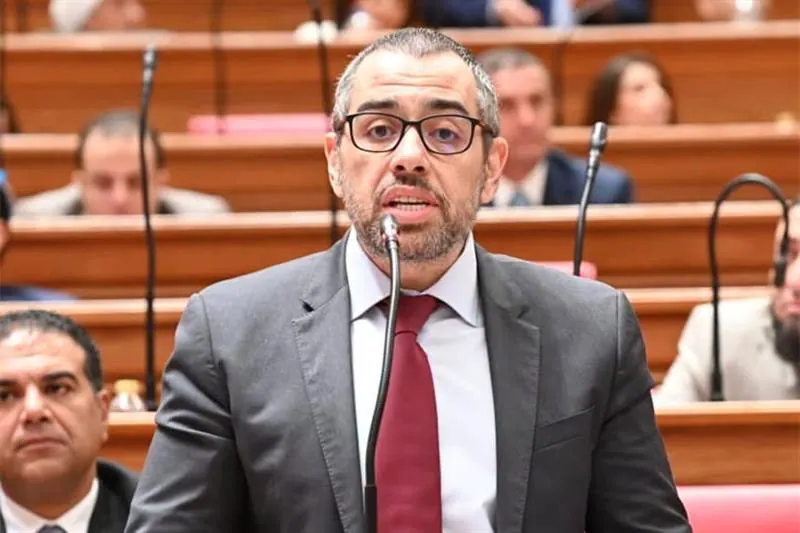
MP Mohamed Fouad, head of the parliamentary block for the opposition Justice Party, has expressed concerns that any potential sale of BP's upstream gas assets to Energean must not disrupt investment or production. Fouad emphasized that the government should provide Parliament with full details of the prospective buyer’s financial capacity, technical expertise, and ability to fund future drilling and field development.
BP has operated in Egypt for over six decades, investing more than $35 billion in the country. Its current portfolio focuses on natural gas, particularly the West Nile Delta project, which includes offshore fields across the North Alexandria and West Mediterranean Deepwater concessions. BP operates the project with an 82.75 percent interest, while Harbour Energy holds 17.25 percent.
In September, BP brought the Fayoum-4 well online, adding about 80 million cubic feet per day of gas to the national grid, two years ahead of schedule. The company plans to invest around $1.5 billion in Egypt during the current fiscal year, in natural-gas exploration, field development, and new drilling. Egypt targets an additional 330 million cubic feet per day from developments including Zohr, West Mina, and Meleiha before the end of 2026.
Fouad questioned Energean's ability to remain a long-term operator, noting that the company itself had attempted to sell its Egypt, Croatia, and Italy assets around 18 months ago. He stressed that Parliament needs the full picture, not only announcements when the news is positive, and criticized the government's selective communication.
The potential change in ownership must consider Egypt's urgent need to raise domestic gas production and reduce its reliance on imports. Fouad emphasized that Egypt's energy security cannot be treated as an ordinary commercial transaction. He called on the Ministry of Petroleum to provide clear answers to Parliament's questions.
Fouad's concerns come as Reuters reported that BP was in exclusive talks with Energean over the potential sale of some of its Egyptian upstream gas interests. The talks have not been described as a completed transaction. BP's Vice President for Egypt, Wail Shaheen, was contacted for comment but did not respond by the time of publication.
Key points
- Egypt faces a widening domestic gas supply gap, with production estimated at 3.8 billion cubic feet per day, compared to average demand of 6.2 billion cubic feet per day.
- MP Mohamed Fouad expressed concerns that any potential sale of BP's upstream gas assets to Energean must not disrupt investment or production.
- BP plans to invest around $1.5 billion in Egypt during the current fiscal year, in natural-gas exploration, field development, and new drilling.