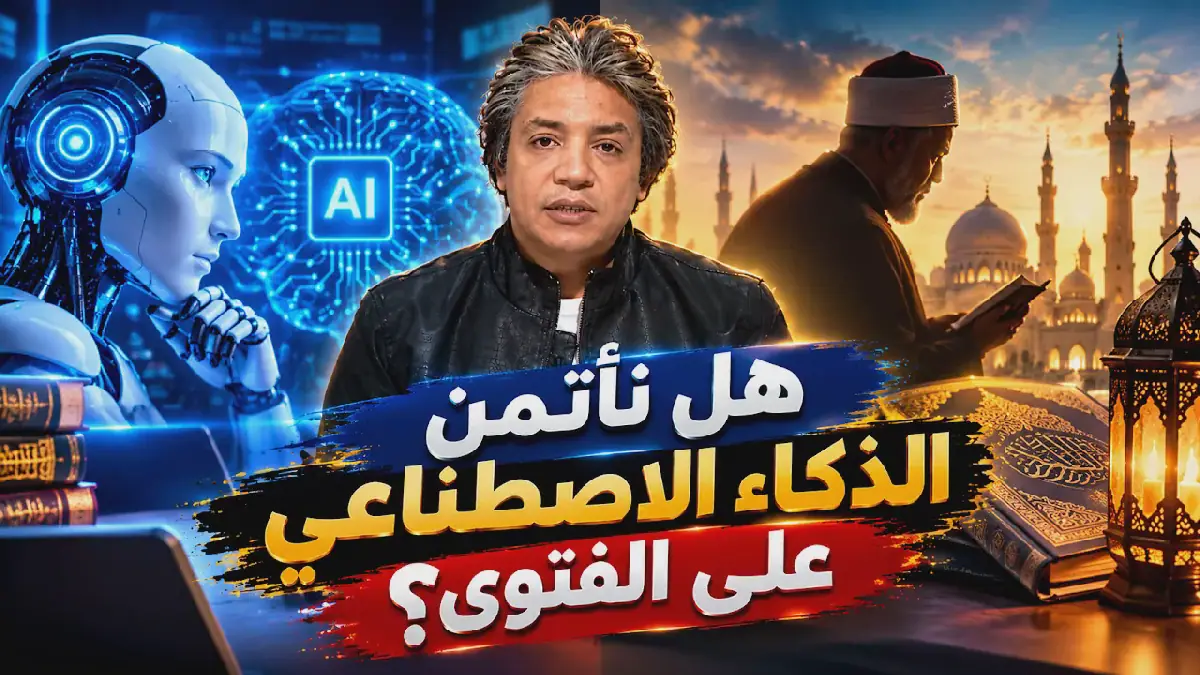
The use of artificial intelligence (AI) in issuing religious rulings, or fatwas, has sparked debate in Egypt. A recent discussion on the Azhari TV channel explored the possibility of relying on AI for fatwas, raising concerns about the potential for misinterpretation of Islamic teachings. The channel, which aims to promote Azheri advocacy and counter extremist ideologies, hosted a discussion on the topic. Experts weighed in on the benefits and drawbacks of using AI in this context. The conversation highlighted the complexities of integrating technology into traditional Islamic practices.
Egypt is investing heavily in technology, with plans to establish seven large data centers to support the growth of its digital economy. This move is part of a broader effort to position the country as a major player in the tech industry. The data centers are expected to enhance the country's digital infrastructure and provide opportunities for businesses and individuals alike. The government's push for technological advancement has sparked discussions about the role of AI in various sectors, including religion.
Proponents of using AI in fatwa issuance argue that it could provide quick and accurate answers to complex questions. However, critics express concerns that relying on AI could lead to oversimplification or misinterpretation of Islamic teachings. Islamic scholars emphasize the importance of human interpretation and nuance in understanding religious texts. The Azhari TV channel's discussion highlighted the need for careful consideration of the potential benefits and drawbacks of using AI in this context.
The use of AI in interpreting the Quran and Hadiths is also being explored in Egypt. Some argue that AI could help identify patterns and connections that may not be immediately apparent to human scholars. However, others caution that AI should not replace traditional methods of interpretation and that human oversight is essential. The debate underscores the complexities of integrating technology into traditional Islamic practices.
The Azhari TV channel is a prominent platform for Islamic discussion and education in Egypt. The channel's programs aim to promote moderate and informed Islamic discourse, countering extremist ideologies and promoting understanding between different communities. The channel's discussion on AI and fatwas reflects its commitment to exploring contemporary issues and their implications for Islamic practice.
Egypt's efforts to establish itself as a hub for technology and innovation are part of a broader strategy to drive economic growth and development. The country's digital economy is expected to play a major role in this effort, with initiatives such as the establishment of data centers and the promotion of tech startups. The use of AI in various sectors, including religion, is likely to be a key aspect of this strategy.
As Egypt continues to explore the use of AI in different contexts, the debate over its role in fatwa issuance is likely to continue. While some see AI as a tool that could enhance the efficiency and accuracy of religious rulings, others are concerned about the potential risks and limitations. The conversation on Azhari TV highlights the need for careful consideration and nuanced discussion of the complex issues surrounding AI and Islamic practice.
Key points
- Egypt is considering the use of artificial intelligence in issuing religious rulings, or fatwas, raising concerns about potential misinterpretation of Islamic teachings.
- The country is investing heavily in technology, with plans to establish seven large data centers to support the growth of its digital economy.
- Experts are debating the benefits and drawbacks of using AI in fatwa issuance, with some arguing that it could provide quick and accurate answers, while others express concerns about oversimplification or misinterpretation of Islamic teachings.