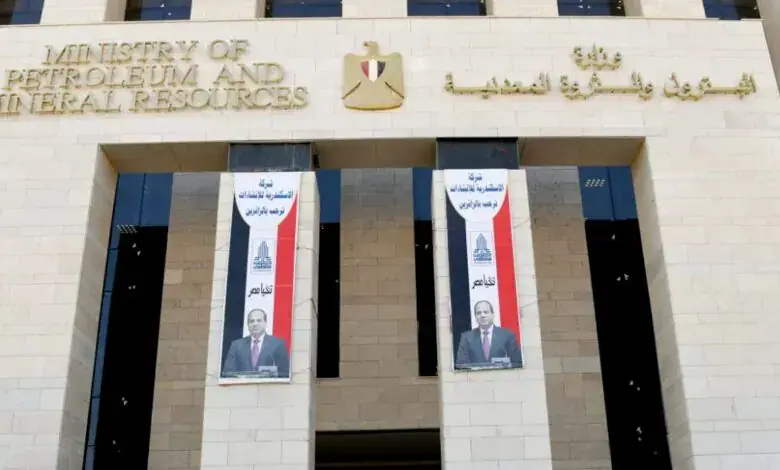
The Ministry of Petroleum and Mineral Resources in Egypt has launched an initiative to develop an electronic system aimed at tightening oversight of petroleum product distribution. This move is part of the state's efforts to advance digital transformation and strengthen governance of the petroleum product distribution system. The system is being implemented in coordination with the Ministries of Interior and Communications and Information Technology. The initiative aims to prevent the diversion and smuggling of petroleum products.
The electronic system will rely on collecting and analysing fuel-supply data through electronic vehicle stickers issued by traffic departments affiliated with the Ministry of Interior. This will enable authorities to monitor the petroleum product supply chain, covering the various stages of distribution and handling through to delivery to end consumers. The system is expected to improve the detection of abnormal consumption patterns and support monitoring and inspection activities.
The system is scheduled to begin its pilot operation in Port Said governorate, with the trial period lasting one month. During this time, vehicle owners who have not yet installed the electronic stickers will have a chance to regularise their status. The authorities will also complete coverage of all vehicle refuelling stations across the governorate. This pilot operation will help identify any issues and make necessary adjustments before a wider rollout.
The Ministry of Petroleum and Mineral Resources has reaffirmed its commitment to meeting citizens' needs for petroleum products. The ministry noted that the system forms part of efforts to deploy modern technological solutions to strengthen governance of petroleum product management and distribution. The system is not expected to affect the pricing of petroleum products or the quantities dispensed.
The electronic system is part of Egypt's broader efforts to enhance the efficiency of petroleum product distribution. By leveraging technology, the authorities aim to reduce the diversion and smuggling of petroleum products. This, in turn, is expected to improve the overall management of petroleum product distribution and help ensure a more efficient supply chain.
The Ministry of Petroleum and Mineral Resources stressed that the system will not affect the daily lives of citizens. The ministry is committed to ensuring a smooth transition to the new system and has provided assurances that it will not disrupt the supply of petroleum products. The authorities are working to complete the rollout of the system across the country.
The launch of the electronic system is a significant step towards digital transformation in Egypt's petroleum sector. The system is expected to enhance governance, reduce illegal practices, and improve the efficiency of petroleum product distribution. The pilot operation in Port Said governorate will be closely monitored, and the authorities will make any necessary adjustments before a wider rollout.
Key points
- The system aims to improve the detection of abnormal consumption patterns and support monitoring and inspection activities.
- The pilot operation will take place in Port Said governorate and will last for one month.
- The system is not expected to affect the pricing of petroleum products or the quantities dispensed.