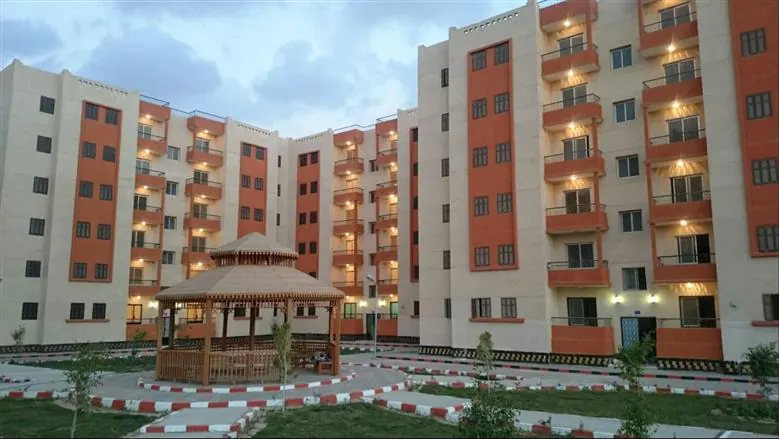
The Egyptian government has introduced a new real estate financing initiative aimed at facilitating access to housing units through subsidized financing and long-term repayment periods. The initiative, announced on September 24, 2026, offers a 10% interest rate and a repayment period of up to 20 years. According to Tarik Shukri, head of the Real Estate Development Chamber at the Egyptian Industries Union, the program targets the middle class and aims to bridge the gap between the available housing supply and the needs of this segment.
The initiative allows for the financing of a single housing unit per family, with a maximum area of 150 square meters. The program's primary objective is to increase the availability of suitable housing units for the middle class, stimulate sales and real estate investment, and ultimately boost production, employment, and tax revenues. Shukri highlighted that the initiative proposes offering land to developers at reasonable prices, with the cost of land potentially ranging between 2,000 and 2,200 Egyptian pounds per square meter.
Under the proposed initiative, the price of land allocated for middle-class housing projects could reach 3,000-3,500 Egyptian pounds per square meter. The difference in land value would be directed towards a fund or mechanism to support interest rate subsidies, with the Ministry of Finance providing the necessary support. This approach aims to make housing more affordable for the target segment while encouraging real estate development.
The new initiative comes with specific conditions, including the requirement for clients to prove their income and ability to repay. Banks will assess the client's creditworthiness and determine the appropriate installment amount based on their income. Additionally, clients must provide the necessary documents to prove their income and personal data, and the housing unit must meet the required legal conditions for financing.
Some real estate companies have expressed concerns about the challenges associated with the initiative, including the lengthy approval and disbursement process, which can delay the completion of sales. Other concerns include the complexity of documentation and registration procedures, potential tax implications, and the possibility that the property valuation may be lower than the seller's asking price.
Despite these challenges, the initiative aims to provide an alternative financing option for individuals seeking to purchase housing units. Under the program, clients would pay a down payment of 10-20% of the unit's price, while the bank would cover the remaining 80% or more. Clients would then repay the loan, including interest, over a period of 20-30 years through monthly installments.
The real estate financing initiative is expected to have a positive impact on the housing market, particularly for the middle class. By providing access to subsidized financing and longer repayment periods, the initiative aims to increase the availability of affordable housing units and stimulate real estate investment. The program's success will depend on its implementation and the level of support provided to developers and clients.
Key points
- The initiative offers a 10% interest rate and a repayment period of up to 20 years.
- The program targets the middle class and aims to bridge the gap between the available housing supply and their needs.
- The initiative proposes offering land to developers at reasonable prices to encourage real estate development.