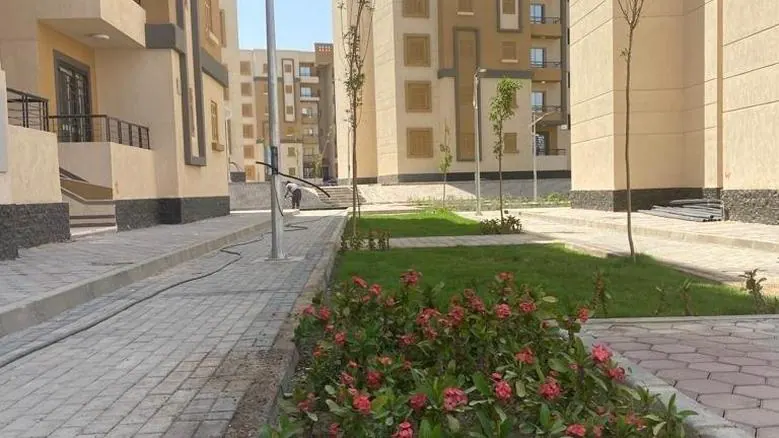
The Egyptian government has introduced updates to its property tax system, aiming to provide greater social protection for citizens. A key change is the increase in the exemption limit for primary residential properties to 8 million Egyptian pounds. This move considers the rising market value of real estate and seeks to support family stability. The changes include new conditions for exemptions and electronic inquiry and payment mechanisms.
According to Ashraf Abdel Ghani, founder of the Tax Experts Association, property owners whose primary residences are valued at or below 8 million Egyptian pounds are exempt from paying property taxes after submitting the required declarations and legal exemptions. However, properties valued above this threshold or secondary residences are subject to property taxes. Abdel Ghani emphasized that the Egyptian Tax Authority warns against evading or delaying tax payments, which can result in financial penalties and late payment fees.
The Egyptian Tax Authority has implemented electronic systems to facilitate tax inquiries and payments. Citizens can now check their property tax status using their national ID number through the official website of the Egyptian Tax Authority or the Egypt Digital Platform. This allows them to view their tax liabilities and compliance status. The authority encourages property owners to use these digital services to simplify tax payments.
To qualify for the property tax exemption, several conditions must be met. The property must be the taxpayer's primary residence for themselves and their family. The market value of the property should not exceed 8 million Egyptian pounds, or the specified net rental value. Taxpayers must submit an exemption request along with their tax return and documents proving the property is used as a family residence.
The Egyptian Tax Authority has introduced electronic payment methods to make tax payments more convenient. Taxpayers can now pay their property taxes through the authority's digital portal, mobile applications, or by coordinating with payment service providers like Fawry. These changes aim to streamline tax collection and reduce the administrative burden on taxpayers.
The new property tax rates for residential properties are calculated at 10% annually of the net annual rental value, after deducting 30% for maintenance expenses and the legally specified exemption for primary residences. Property taxes are levied on all built properties within Egypt and are due on January 1st of each year, with payments split into two equal installments due by June 30th and December 31st.
It is essential to differentiate between annual property taxes and taxes on real estate transactions. While annual property taxes apply to all properties, transaction taxes are imposed at a rate of 2.5% of the total contract value when a property is sold or transferred. This tax is the responsibility of the seller and must be paid within 30 days of the transaction. For inquiries and assistance, taxpayers can contact the Ministry of Finance and the Egyptian Tax Authority's hotline at 16838.
Key points
- The Egyptian government has increased the exemption limit for primary residential properties to 8 million Egyptian pounds to support family stability and adapt to rising property values.
- Property owners can now check their tax status and make payments electronically through the Egyptian Tax Authority's website or mobile applications.
- The new property tax system includes stricter measures against tax evasion, with penalties for delayed or avoided payments.