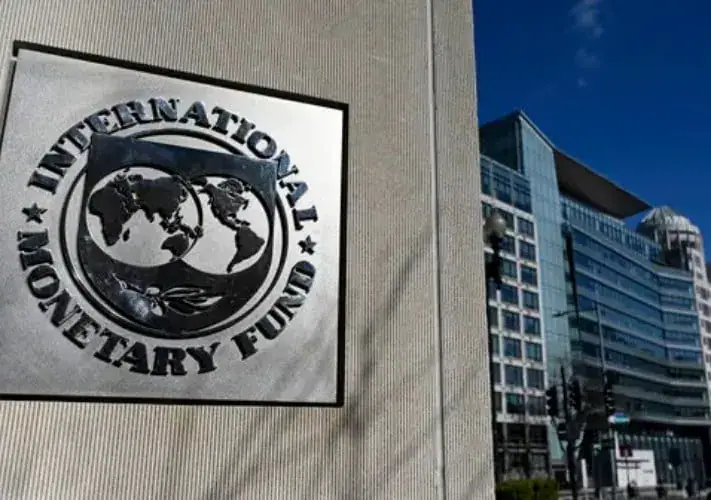
A delegation from the International Monetary Fund (IMF) is currently in Cairo to discuss key issues related to the eighth review of Egypt's Extended Facility program and the third review of the Resilience and Sustainability program. The talks aim to reach an agreement on the reviews and determine the necessary actions to complete them. According to IMF spokesperson Julie Kozack, the discussions will focus on maintaining a restrictive monetary policy, consolidating public finances, and enhancing reserves.
The IMF reviews are expected to unlock approximately $2.3 billion in financing for Egypt. Kozack emphasized that the Egyptian economy has demonstrated resilience during the war period, but it is essential to continue implementing necessary macroeconomic policies to maintain stability and contain inflation. The talks will also cover structural reforms aimed at supporting the private sector, reducing the state's role in economic activity, and accelerating the divestment of state-owned assets.
Kozack highlighted the importance of mobilizing domestic revenue and strengthening fiscal buffers to support macroeconomic stability and promote economic growth. The IMF's discussions with Egyptian authorities will also focus on promoting competition, improving the business environment, and enhancing governance and transparency. These reforms are crucial for sustaining economic growth, creating jobs, and maintaining inflation within target levels.
The Egyptian government has been working to implement economic reforms and improve the business environment. The IMF's support and financing will help the country address its economic challenges and achieve sustainable growth. Kozack stressed that reducing the state's footprint in the economy is essential for creating space for the private sector and promoting economic stability.
The IMF's Extended Facility program and Resilience and Sustainability program are designed to support Egypt's economic reform efforts and promote sustainable growth. The programs aim to help the country address its macroeconomic challenges, improve its business environment, and enhance its resilience to economic shocks. The IMF's financing will provide Egypt with the necessary resources to implement its economic reforms and achieve its development goals.
Kozack reiterated the importance of maintaining a restrictive monetary policy and fiscal discipline to ensure macroeconomic stability. She also emphasized the need for Egypt to continue implementing structural reforms to promote economic growth and improve its competitiveness. The IMF's support and guidance will help Egypt navigate its economic challenges and achieve sustainable growth.
The outcome of the IMF's reviews and the subsequent financing will be crucial for Egypt's economic prospects. The country's ability to implement economic reforms and maintain macroeconomic stability will be essential for attracting investment, promoting growth, and improving living standards. The IMF's engagement with Egypt reflects the organization's commitment to supporting the country's economic development and promoting regional stability.
Key points
- Egypt is discussing economic reforms with the IMF to secure $2.3 billion in financing.
- The IMF reviews will focus on maintaining a restrictive monetary policy, consolidating public finances, and enhancing reserves.
- The economic reforms aim to support the private sector, reduce the state's role in economic activity, and promote sustainable growth.