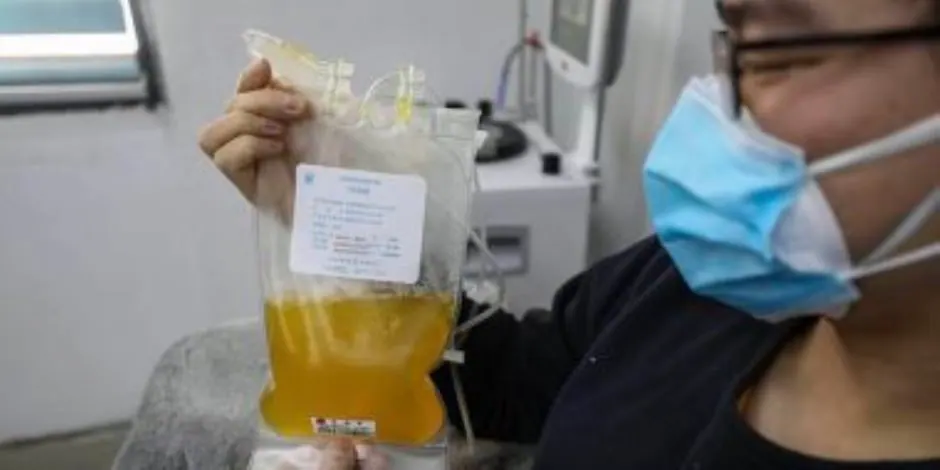
The Egyptian government has established strict regulations for blood plasma collection, with Law No. 8 of 2021 outlining severe penalties for those operating without a license. According to the law, individuals managing unlicensed blood plasma collection centers or manufacturing facilities will face fines ranging from 100,000 to 1 million Egyptian Pounds (EGP). This law aims to ensure the safe and regulated collection, storage, and distribution of blood plasma for medical purposes.
The law further stipulates that, in addition to the financial penalties, courts have the authority to confiscate equipment and supplies used in illegal activities and to shut down offending centers or facilities. In cases of repeated offenses, the fines will be doubled. These measures are designed to prevent unauthorized operations and promote compliance with health and safety standards.
The law defines a "blood plasma collection center" as a licensed facility authorized for the collection, storage, analysis, and distribution of blood plasma for manufacturing purposes. To operate such centers, applicants must obtain a license from the Egyptian Drug Authority. The licensing process involves a technical inspection and the payment of specific fees, which vary depending on the stage of the application.
Applicants for licenses to operate blood plasma collection centers or manufacturing facilities must pay a non-refundable inspection fee not exceeding 40,000 EGP. Upon obtaining a license, an additional fee not exceeding 200,000 EGP is required, with a further fee of up to 100,000 EGP for license renewal. These fees must be paid electronically through approved channels.
The law also specifies that government entities are exempt from paying these fees. The regulation of blood plasma collection and manufacturing is overseen by the Egyptian Drug Authority, in coordination with the Central Purchasing Authority. This framework aims to ensure that all operations related to blood plasma are conducted safely and within a controlled environment.
By implementing these regulations, Egypt seeks to enhance the quality and safety of blood plasma collection and its derivatives. The law underscores the importance of proper licensing and adherence to health standards to protect public health. Authorities emphasize that these measures are crucial for maintaining the integrity of the healthcare system.
The introduction of this law reflects Egypt's commitment to improving healthcare services and ensuring the availability of safe medical products. The regulations are part of broader efforts to enhance the country's health infrastructure and provide high-quality medical care to its citizens. Compliance with these regulations is essential for the continued operation of blood plasma collection centers and manufacturing facilities.
Key points
- Unlicensed blood plasma collection centers in Egypt can face fines of up to 1 million EGP.
- The law mandates the confiscation of equipment and closure of unlicensed facilities.
- Government entities are exempt from paying license fees for blood plasma collection and manufacturing.