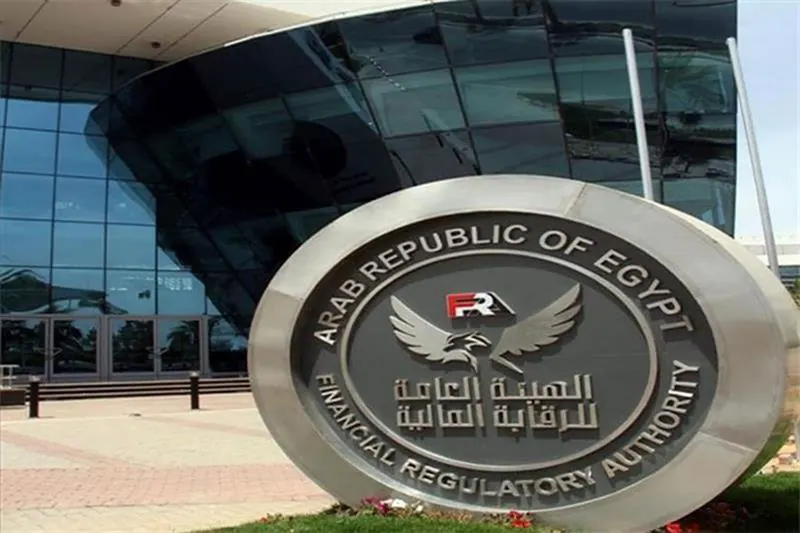
Egypt's Financial Regulatory Authority (FRA) is expanding the role of its Regional Centre for Sustainable Finance (RCSF) to build expertise in sustainable finance, carbon markets, and climate-related disclosure. This move comes as Egyptian exporters face growing pressure to measure and report their emissions. The RCSF operates under the Financial Services Institute (FSI), the FRA's educational and training arm, and has delivered training programs to introduce sustainable financial instruments to the non-banking financial sector.
The FSI focuses on building professional capacity and skills across all non-banking financial sectors in the country. The decision aims to regulate the centre and define its organizational role as the FSI's technical expertise, research, and training hub for sustainable finance and carbon markets. The centre will now develop professional certification programs and establish a sustainable finance observatory, library, digital repository, and databases.
The centre's role will also expand to include conducting studies and research, providing technical and advisory services, developing guidelines and indices, and building the capacity of carbon project developers. Additionally, the centre will create accreditation programs for climate finance professionals in the non-banking financial sector. The sector, which is under FRA supervision, plays a major role in supporting the national economy through insurance, capital markets, mortgage finance, financial leasing, and securitization.
Egypt has been bolstering its efforts to expand sustainable finance, attract private investment, and mobilize funding for its climate and economic development goals. The country aims to improve its voluntary carbon market and expand its reach beyond local and regional borders, positioning it as a model for other countries to adopt. Achieving carbon neutrality can facilitate Egypt's access to foreign markets, especially the European Union.
The European Union's Carbon Border Adjustment Mechanism (CBAM) puts a price on the carbon emissions produced from goods imported into the EU and aims to prevent carbon leakage and encourage cleaner production worldwide. Egyptian companies exporting goods covered by CBAM could face financial burdens of up to $317 million annually. This could lead to lower export revenues and reduced market share, potentially weakening GDP growth and employment in the Egyptian economy.
In 2024, Egypt launched its first regulated voluntary carbon credit market through the Egyptian Exchange. The country also established the Committee for Supervision of Carbon Emission Reduction Units (CCRC), which will set rules for issuing, monitoring, and verifying carbon credits and define criteria for carbon-reduction projects. An advisory board for the RCSF has also been established, comprising experts in fields related to the centre's activities.
The RCSF board's primary role is to provide opinions and advice on matters submitted to it regarding its areas of operation and propose measures deemed necessary to carry out its functions. The RCSF will not replace the authorities responsible for issuing regulations or exercising regulatory and supervisory oversight. The expansion of the RCSF's role is expected to support Egypt's efforts to adapt to the changing global climate finance landscape.
Key points
- Egypt's Financial Regulatory Authority expands the role of its Regional Centre for Sustainable Finance to build expertise in sustainable finance and carbon markets.
- The centre will develop professional certification programs and establish a sustainable finance observatory, library, digital repository, and databases.
- Egyptian companies exporting goods to the EU may face financial burdens of up to $317 million annually due to the EU's Carbon Border Adjustment Mechanism.