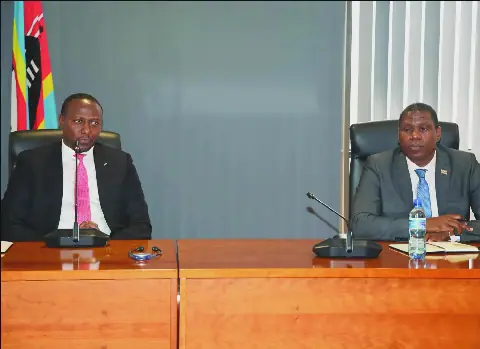
Egypt's Minister of Electricity and Renewable Energy, Mahmoud Esmat, announced that the country has made notable progress in reducing fuel consumption and grid losses. Over the past two years, measures to improve power generation efficiency have reduced fuel consumption by the equivalent of EGP 70bn. Additionally, electricity grid losses have declined to 17.6%. These achievements are part of a broader strategy to enhance the efficiency and sustainability of Egypt's energy sector.
The Ministry of Electricity and Renewable Energy is working to prevent a return to load shedding and has developed scenarios to address potential disruptions arising from geopolitical crises in the region. The ministry is coordinating with the Ministry of Petroleum to prepare power generation plants to operate using available fuel mixes. This includes eliminating the "practice system" used for estimated electricity billing and standardizing the technical assessment process across all electricity distribution companies.
The Egyptian government has placed significant emphasis on the energy sector over the past decade as part of a broader development strategy. This has resulted in major investments in electricity generation, transmission, and distribution, totaling nearly EGP 5tn. More than 35,000 MW of generation capacity has been added through a diversified energy mix that includes thermal power plants and renewable energy projects.
The sector has implemented an urgent plan to address challenges affecting the stability and sustainability of electricity supplies. This includes completing existing power plants and upgrading their efficiency by converting them to combined-cycle operation without requiring additional fuel. The ministry has introduced operational measures to improve the efficiency of generation plants, reduce fuel consumption, and address different forms of power losses.
One of the key initiatives is the El Dabaa Nuclear Power Plant, which is expected to add 4,800 MW to Egypt's electricity grid and provide a stable source of clean electricity. The reactor pressure vessel for the first unit was installed in November 2025, and the second unit in July 2026. The plant is expected to save nearly 8bn cubic meters of natural gas annually while generating around 38,000 GWh of clean electricity.
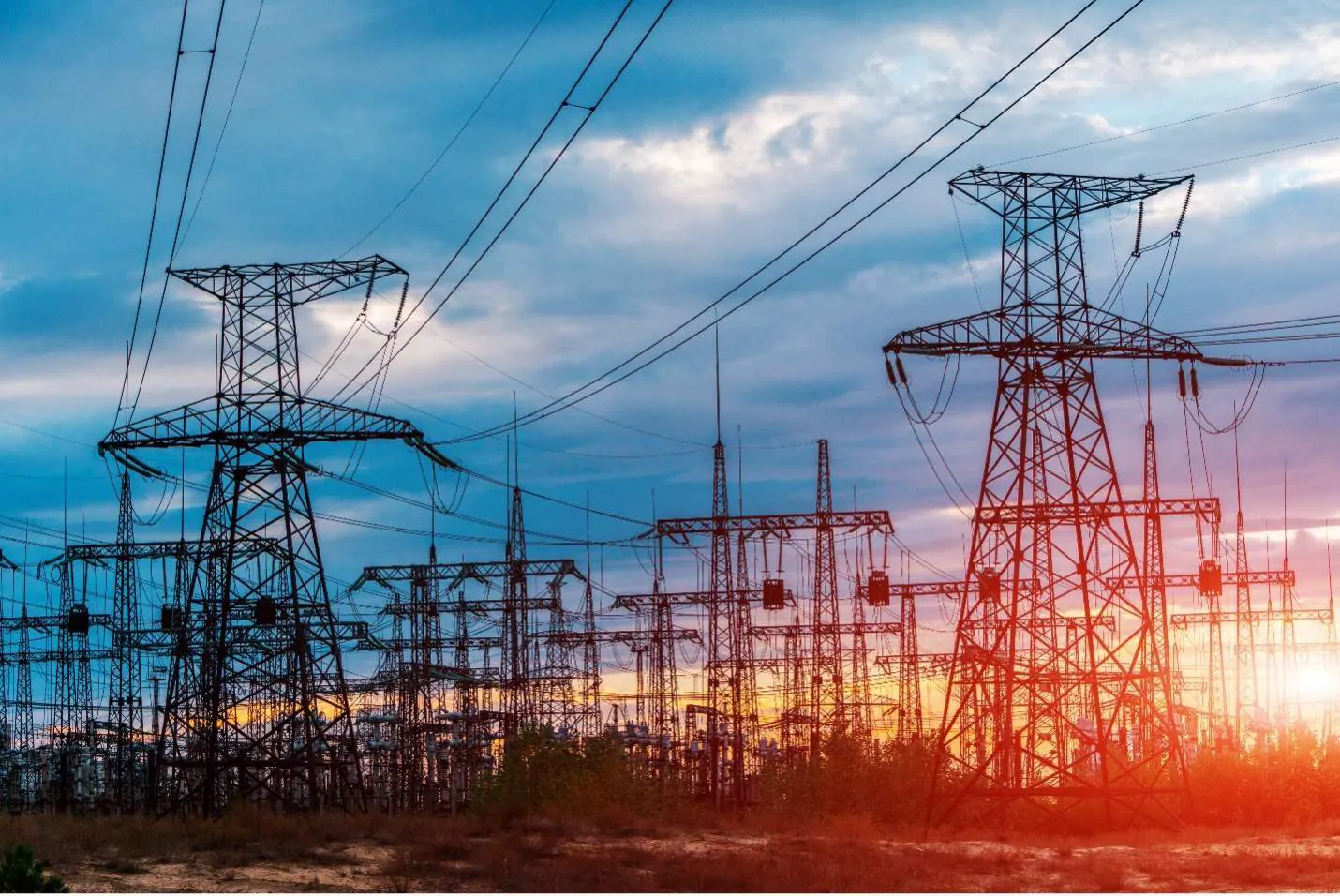
Egypt is also working to secure sustainable electricity supplies for national and strategic projects, as well as major agricultural reclamation projects, through the construction and reinforcement of substations and transmission lines. The country is strengthening and modernizing the national electricity grid alongside the addition of new generation capacities to ensure that the network can accommodate increasing renewable energy capacity.
The ministry is prioritizing the adoption of modern technologies, the modernization and governance of metering systems, and improvements in electricity services provided to consumers. This includes installing 1 million smart electricity meters, with 270,000 meters expected to be completed under the first phase by the end of 2026. These measures aim to improve energy efficiency, combat electricity theft, and reduce network losses.
Key points
- Egypt's Minister of Electricity and Renewable Energy Mahmoud Esmat reports a reduction of EGP 70bn in fuel consumption costs and a decline in grid losses to 17.6%.
- The El Dabaa Nuclear Power Plant is expected to add 4,800 MW to Egypt's electricity grid and provide a stable source of clean electricity.
- Egypt is working to secure sustainable electricity supplies for national and strategic projects through the construction and reinforcement of substations and transmission lines.