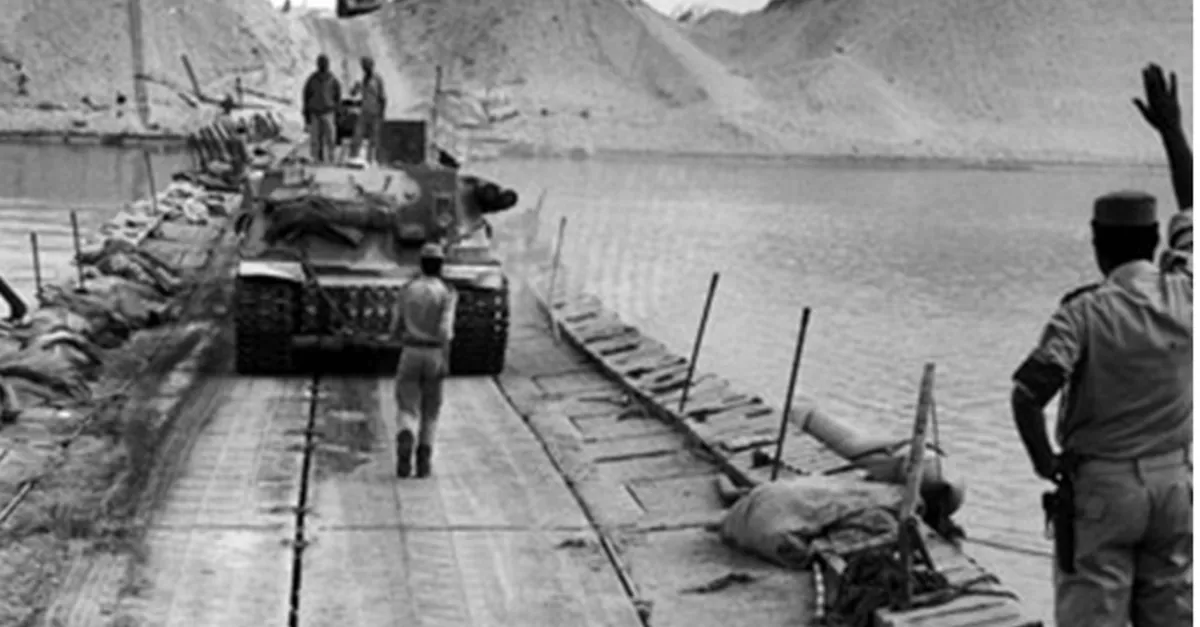
Egyptians are commemorating the 53rd anniversary of the October War, a historic victory that showcased the country's military prowess and determination. On October 6, 1973, Egypt launched a surprise attack on Israel, crossing the Suez Canal and reclaiming the Sinai Peninsula. This bold move marked a significant turning point in the country's modern history, demonstrating the Egyptian military's ability to overcome seemingly insurmountable obstacles.
The October War was not just a military victory, but also a testament to Egypt's national resilience and pride. The war was a culmination of years of preparation, strategic planning, and determination. The Egyptian military's success was largely due to the "war of attrition" that preceded it, which weakened Israel's defenses and created an opportunity for a decisive blow. The war also highlighted the leadership of President Anwar El-Sadat, who played a crucial role in planning and executing the operation.
The war's strategic planning involved a complex web of deception and misdirection, including a fake military exercise and the release of misleading information to Israeli intelligence. The Egyptian military's use of Soviet-supplied missiles and artillery also played a critical role in neutralizing Israel's air superiority. On October 6, 1973, Egyptian forces crossed the Suez Canal, overcoming Israeli defenses and establishing a foothold on the eastern bank.
The October War had far-reaching consequences, both domestically and internationally. The war led to a significant shift in the regional balance of power, with Egypt emerging as a major player in Middle Eastern politics. The war also paved the way for a peace treaty between Egypt and Israel, signed in 1979. The treaty, facilitated by US President Jimmy Carter, marked a significant step towards regional stability and earned Sadat and Israeli Prime Minister Menachem Begin the Nobel Peace Prize.
The October War also had a profound impact on Egyptian society, with the country's economy and infrastructure suffering significantly during the conflict. However, the war also galvanized national pride and unity, with many Egyptians viewing the victory as a source of national pride. The war's legacy continues to be celebrated in Egypt, with October 6 being a national holiday and a symbol of the country's military prowess.
In the years following the war, Egypt has continued to develop its military capabilities, with a focus on modernization and technological advancement. The country's defense industry has made significant strides, with Egypt developing its own military equipment and technology. The October War's legacy also continues to influence Egyptian foreign policy, with the country maintaining a delicate balance between its regional and international obligations.
Today, Egypt continues to commemorate the October War, with ceremonies and events held across the country. The war's legacy serves as a reminder of the country's rich history and its ongoing commitment to national security and defense. As Egypt looks to the future, the October War's lessons continue to inform its approach to regional and international challenges, with the country's leaders drawing on the conflict's strategic and tactical insights to inform their decision-making.
Key points
- The October War marked a significant turning point in Egypt's modern history, showcasing the country's military prowess and determination.
- The war's strategic planning involved a complex web of deception and misdirection, which played a critical role in neutralizing Israel's air superiority.
- The October War's legacy continues to influence Egyptian foreign policy, with the country maintaining a delicate balance between its regional and international obligations.