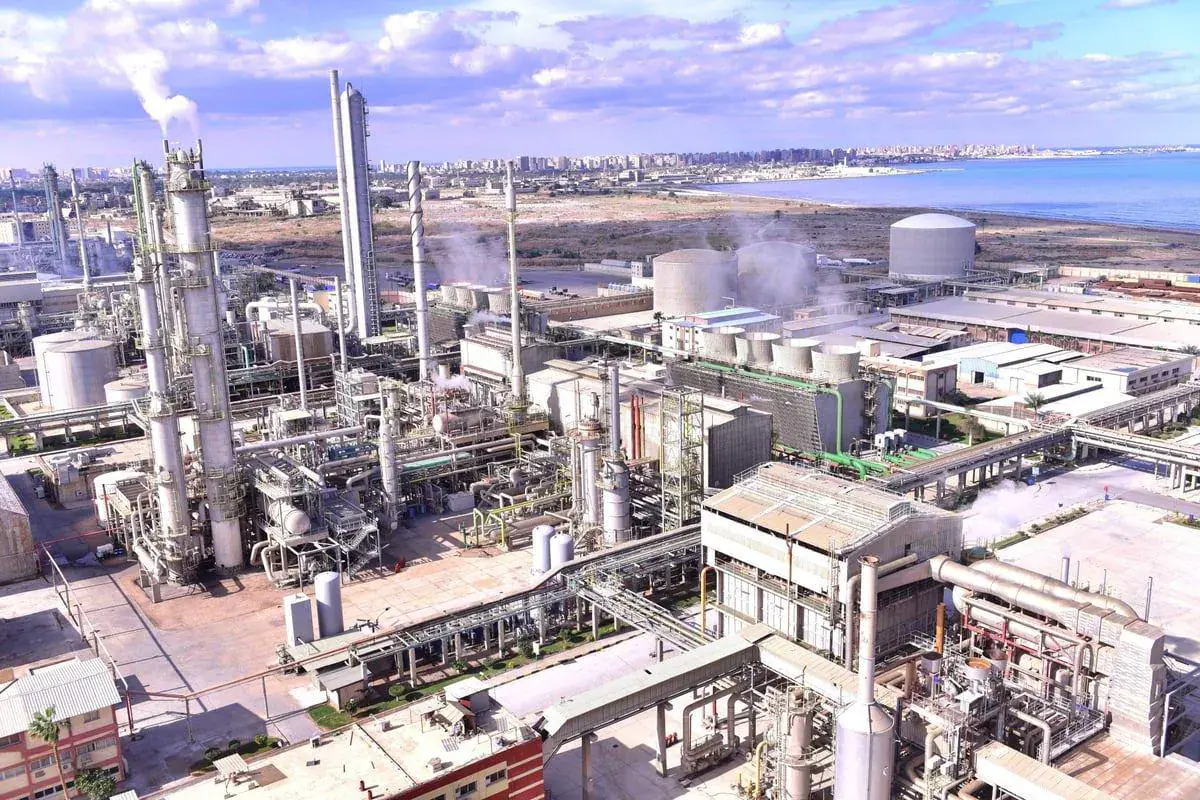
Egypt has emerged as a major player in the European fertilizer market, capturing over 60% of imports during the last agricultural season from March to September. According to Industry Minister Khaled Hashem, the country's fertilizer exports played a crucial role in meeting European demand. This surge in exports helped Egypt turn a regional crisis into a boom in hard currency.
The government's decision to keep natural gas supplies flowing to factories, despite rising prices, was a key factor in Egypt's success. Hashem revealed that the minimum price of natural gas for factories was raised, but supplies were not rationed, unlike in several other countries. This move allowed Egyptian fertilizer producers to capitalize on the global shortage and increase their exports.
The export prices for fertilizer more than doubled during the period, rising from around $400-450 per ton to nearly $900 per ton. This significant price increase was driven by global events, including the conflict between the US and Iran, which disrupted shipping in the Persian Gulf and blocked traffic through the Strait of Hormuz. As a result, urea prices jumped almost 54% in March alone, reaching a four-year high.
Egypt's chemical and fertilizer exports rose to nearly $5 billion in the first part of the year, as the country's plants continued to operate despite the global disruptions. The government's efforts to support the industry have included the launch of an EGP 1 billion vehicle for distressed factories in October, in collaboration with the central bank and the industry ministry.
To further boost industrial growth, the government has announced the establishment of Egypt's first Industrial Investment Fund. The fund aims to attract state and private-sector investors to support factories and steer investments away from real estate and gold. The minister also announced the creation of a new Manufacturer Support Unit, which will review struggling plants one by one.
Estimates suggest that between 7,400 to 25,000 plants in Egypt are struggling, and the government is seeking to offer incentives to around 6,000 factories. The new fund and support unit are part of a broader plan to revitalize the industrial sector and promote economic growth. By providing targeted support to struggling plants, the government hopes to increase productivity and competitiveness.
The surge in fertilizer exports has had a positive impact on Egypt's economy, but it has also had a negative consequence for local farmers. Egyptian farmers have had to pay more to grow their crops, which could affect their profitability and competitiveness. The government will need to balance the needs of the fertilizer industry with those of local farmers to ensure sustainable economic growth.
Key points
- Egypt supplied over 60% of Europe's fertilizer imports from March to September.
- The country's fertilizer exports rose to nearly $5 billion in the first part of the year.
- The government has launched initiatives to support struggling factories and promote industrial growth.
Reporting sources
- Egypt Kept Its Gas Flowing and Captured Most of Europe’s Fertilizer Market · Egyptian Streets