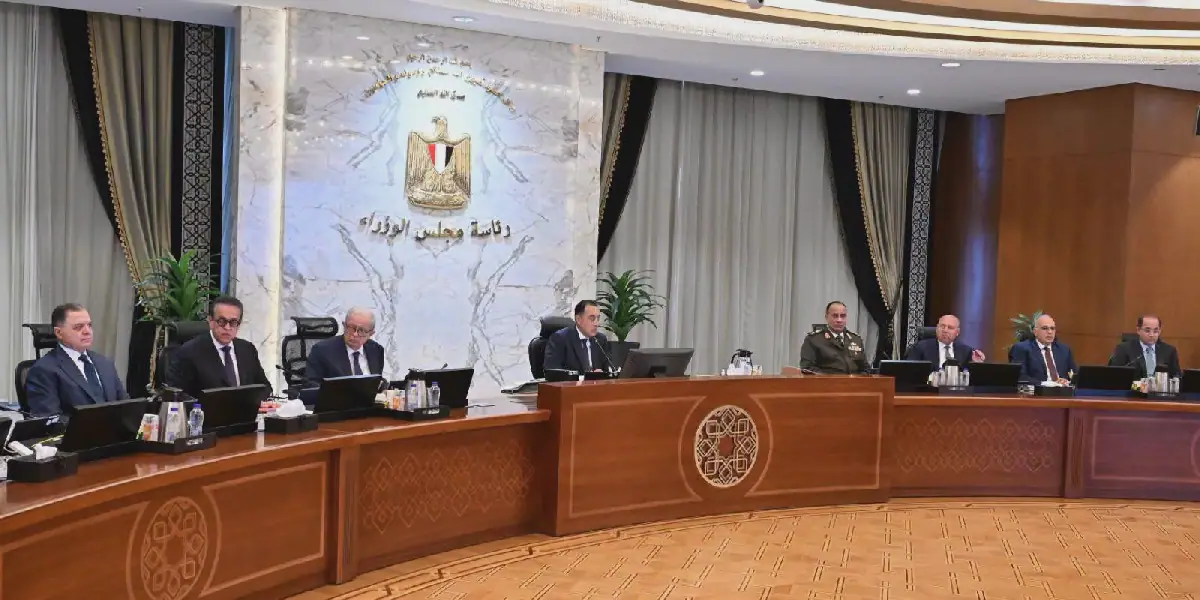
Egypt's cabinet has agreed to expand its subsidised financing initiative for priority industrial sectors to cover working capital, with the EGP 30bn scheme now open to all industrial activities. The initiative, which offers 15% subsidised financing, will have its ceiling split equally between machinery and equipment and raw materials, production inputs and spare parts. This move aims to support the growth of various industries in the country.
Under the revised terms, financing limits will be raised for some sectors according to project size, up to EGP 200m per client and EGP 250m for a client and its related parties. The higher limits apply only to industries of strategic priority, which will be identified case by case by a committee of the finance ministry and the Industrial Development Authority and approved by the finance and industry ministers. This change is expected to provide more flexibility and support to priority industries.
The cabinet also approved moving ahead with a concession for the passenger terminal at Alexandria Port. The concession will be granted to GPH Pan Maritime Passenger Terminals, a company being set up under the special free zones system by a consortium of Global Liman İşletmeleri, Pan Terminal Management and Pan Marine Shipping. The government aims to make better use of port assets and attract more cruise ships to Egypt through this move.
To be eligible for the industrial finance scheme, projects will no longer need to have completed construction. Instead, they must be on schedule, at least a year into implementation and at least 60% built. New entities formed by merging a struggling or closed factory with a new investor will get priority, provided they owe nothing to banks or non-bank financial companies. However, clients who have benefited from the fund for struggling borrowers are excluded from this priority.
The cabinet also approved a presidential decree on a strategic objectives agreement with the United States on promoting mutual prosperity. The agreement gives Egypt more flexibility to direct available assistance to priority areas, including electricity and energy, water resources and irrigation, agriculture, education, higher education and scientific research, aviation, private sector development and social development. This agreement is expected to enhance cooperation between Egypt and the US.
In addition to these decisions, the cabinet approved a $470,000 financing agreement from the International Fund for Agricultural Development for a project to support agricultural resilience and smallholder productivity, drawing on Chinese expertise. Egypt's $6.97m subscription to the 21st replenishment of the World Bank's International Development Association was also approved, payable in one or several instalments over two to nine years. These agreements demonstrate Egypt's continued cooperation with international organisations.
The cabinet also approved a decree reorganising the Government Services Authority, which handles state procurement, storage, asset management and vehicles, with the aim of improving the efficiency of public spending. The State-Owned Companies Unit's third-quarter report was reviewed, showing progress in building its framework, issuing binding decisions and carrying out structural reforms under Law No. 170 of 2025. These decisions reflect the government's efforts to enhance governance and public spending.
Key points
- The Egyptian cabinet has expanded its EGP 30bn industrial finance scheme to cover working capital and approved a concession for the Alexandria passenger terminal.
- The industrial finance scheme is now open to all industrial activities, with financing limits raised for some sectors according to project size.
- The cabinet also approved several other agreements and decrees, including a strategic objectives agreement with the US and financing agreements with international organisations.