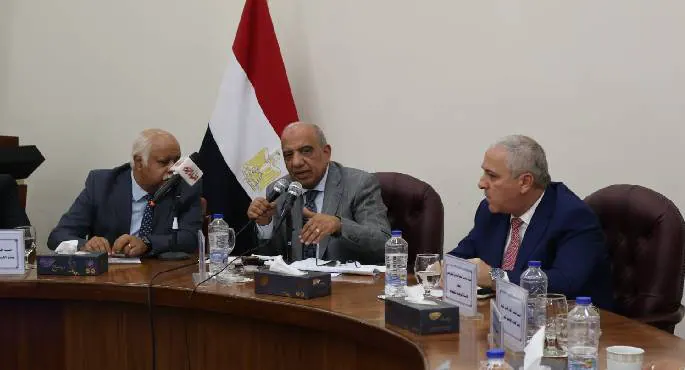
The Egyptian Ministry of Electricity and Renewable Energy is working to develop a smart, flexible, and sustainable electricity system. According to Dr. Mahmoud Esmat, the minister, the country has made significant progress in the past decade, adding over 35,000 megawatts of power to the national grid. This has been achieved through a mix of thermal and renewable energy sources, including the construction of three large power plants in Beni Suef, El-Berulus, and the New Administrative Capital.
The minister highlighted that the sector has witnessed an exceptional leap in the last ten years, with the addition of significant capacities from various energy sources. Notable projects include the 14,400-megawatt power plants developed in collaboration with Siemens, which were fully operational by 2018. Additionally, an emergency plan with a capacity of 3,636 megawatts was implemented within 8.5 months, and existing power plants with a capacity of 4,250 megawatts were completed.
Dr. Esmat emphasized that Egypt's energy sector has undergone a significant transformation through an integrated strategy that incorporates clean energy sources and enhances production lines. The country has successfully operated wind power projects with a capacity of over 3,000 megawatts and solar power projects with a capacity of 4,000 megawatts. Future projects include wind power initiatives with a capacity of 12,000 megawatts and solar power projects with a capacity of 8,720 megawatts.
The minister stressed that Egypt is not only adding capacity to the grid but also building a smart, flexible, and sustainable electricity system that ensures clean energy for current and future generations. To address the challenge of renewable energy intermittency, Egypt is leveraging advanced battery storage technology to store excess electricity generated during peak production periods and release it when needed.
Dr. Esmat discussed the progress of the El-Dabaa nuclear power plant, a major project that aims to provide a clean and sustainable source of energy. The plant will consist of four nuclear reactors and will have a capacity of 4,800 megawatts, providing a reliable source of electricity for millions of Egyptians. The project is expected to save approximately 8 billion cubic meters of natural gas annually and produce 38,000 gigawatt-hours of clean electricity.
The minister outlined a comprehensive plan to improve and develop Egypt's electricity transmission network, enhancing its ability to absorb the large amounts of generated power and reduce losses. The plan focuses on three main axes: expanding transmission lines, increasing the capacity of substations, and developing a modern control system. The national grid has undergone significant development, with the length of transmission lines increasing from 44,200 to 62,500 kilometers.
Dr. Esmat also highlighted the ministry's efforts to provide electricity to agricultural projects, including the reclamation and investment of 2.5 million feddans in the New Delta project. The ministry has added 5,580 megavolt-amperes to 16 substations and constructed 1,100 kilometers of transmission lines to ensure stable electricity supply and support food security and industrial growth.
Key points
- Egypt aims to develop a smart, flexible, and sustainable electricity system.
- The country has added over 35,000 megawatts of power to the national grid in the past decade.
- Egypt is investing in renewable energy sources, including wind and solar power, to reduce its reliance on fossil fuels.