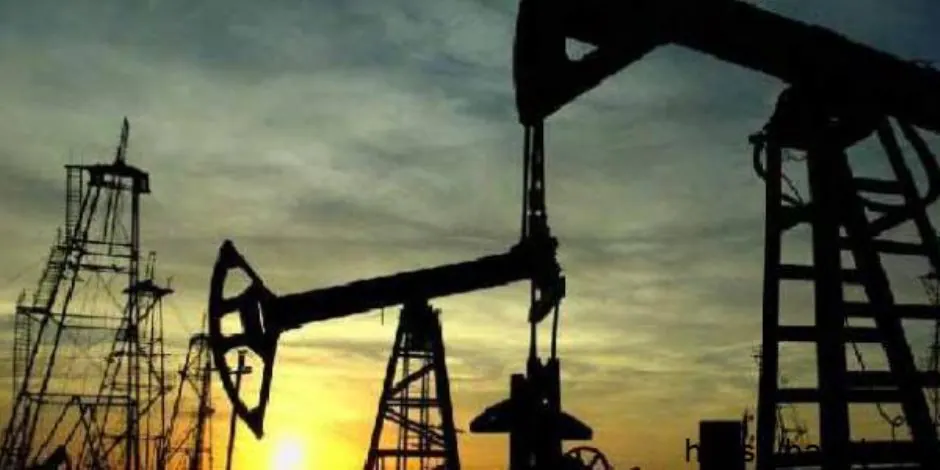
Egypt has begun to prioritize its strategic oil reserves to ensure energy security, according to Dr. Ramadan Abu El-Ala, a professor of petroleum and energy engineering. This strategic reserve is distinct from the operational storage used in daily operations. The strategic reserve involves storing large quantities of oil in massive warehouses as part of a proactive national security plan. This reserve aims to meet domestic consumption needs during crises and wars.
Dr. Abu El-Ala explained that countries have different plans to secure their energy needs, citing the United States and China as examples. These countries have massive strategic reserves, with hundreds of millions and even billions of barrels, proportionate to their consumption and needs. Egypt, which produces around 70% of its oil needs and imports between 30% and 35%, does not require similar quantities. However, having a strategic reserve remains crucial to addressing any unexpected market fluctuations or global supply disruptions.
Egypt currently has a strategic reserve of approximately 16 million barrels, according to Dr. Abu El-Ala. This reserve is specifically for exceptional cases and is not used in daily operational activities, enhancing the state's ability to manage crises. Energy security is a fundamental element of national security, alongside water resources. Ensuring and securing energy sources during crises allows the state to maintain greater stability and continue economic activity.
The current strategies aim to provide sufficient oil quantities to last, with the implementation of rationing measures, for about a month to a month and a half. This reduces the need to resort to imports during crises and enhances Egypt's ability to cope with fluctuations in the global energy market. Dr. Abu El-Ala emphasized that securing energy is essential for national security and economic stability.
The strategic reserve is part of Egypt's efforts to bolster its energy security and mitigate potential risks. By maintaining a strategic reserve, Egypt can ensure a stable energy supply and minimize the impact of global market volatility. This proactive approach enables the country to respond effectively to unexpected disruptions in the global energy market.
Dr. Abu El-Ala's statements highlight the importance of energy security for Egypt's national economy and stability. The country's efforts to enhance its strategic oil reserves demonstrate its commitment to ensuring a stable energy supply and mitigating potential risks. Egypt's strategic reserve is a critical component of its energy security strategy.
In conclusion, Egypt's decision to bolster its strategic oil reserves reflects its dedication to energy security and national stability. The country's proactive approach to securing its energy needs will enable it to respond effectively to potential disruptions in the global energy market. By maintaining a strategic reserve, Egypt can ensure a stable energy supply and promote economic stability.
Key points
- Egypt has a strategic oil reserve of approximately 16 million barrels.
- The strategic reserve aims to meet domestic consumption needs during crises and wars.
- Egypt produces around 70% of its oil needs and imports between 30% and 35%.