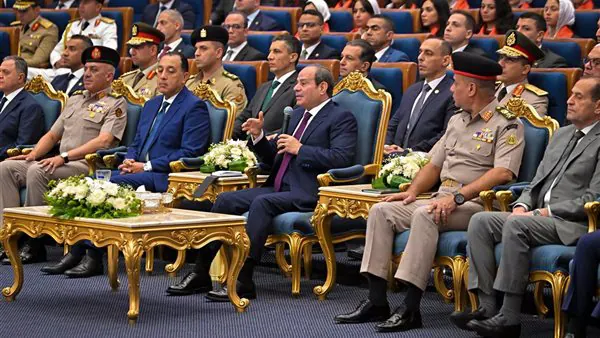
Egyptian President Abdel Fattah El-Sisi recently emphasized the importance of a comprehensive system to manage crises and disasters. The system focuses on rapid response, risk assessment, and continuous development of available resources. This initiative aims to minimize the impact of emergencies and enhance the country's preparedness. El-Sisi's remarks came during the inauguration of the Strategic Command Center in the new capital, showcasing Egypt's capabilities in disaster response.
The Egyptian government has been working to establish an integrated system for crisis management over the past few years. This system relies on swift action during emergencies, risk monitoring, and prior planning. It also involves continuous training, equipment upgrades, and coordination among various state institutions. The Strategic Command Center plays a crucial role in this system, serving as a primary hub for coordinating efforts and making informed decisions during crises.
A recent demonstration showcased the capabilities of Egypt's disaster response system, including various equipment and vehicles designed for emergency situations. These assets are intended to address a range of scenarios, from terrorist threats and health crises to natural and industrial disasters. The display highlighted the country's readiness to respond to diverse emergencies and its commitment to protecting its citizens.
El-Sisi stressed that effective crisis management requires more than just equipment; it also demands a well-prepared workforce. He emphasized the importance of regular training exercises and simulations to test the response mechanisms and ensure a coordinated effort among all stakeholders. The president also underscored the need for predicting and anticipating crises rather than simply reacting to them after they occur.
The Egyptian military plays a vital role in disaster response, providing search and rescue capabilities, logistical support, and medical assistance. The armed forces work closely with other state institutions and governorates to enhance preparedness and response. Through regular exercises and simulations, the military and civil authorities practice their response to various emergency scenarios, fostering a culture of cooperation and rapid action.
A key component of Egypt's disaster management system is the National Network for Emergencies and Public Safety. This network enables real-time communication and data exchange among different agencies, facilitating a unified response to crises. The network has been expanded to include critical sectors such as electricity, allowing for more efficient management of emergencies and improved operational security.
The success of Egypt's disaster response system depends not only on the equipment and infrastructure but also on public awareness and education. El-Sisi highlighted the importance of engaging schools, universities, mosques, churches, and media outlets in raising awareness about crisis management and response. By empowering citizens with knowledge, Egypt aims to reduce the risks associated with emergencies and promote a culture of resilience.
Key points
- Egypt's comprehensive disaster management system includes a range of elements, such as a centralized command structure, specialized equipment, and public awareness initiatives.
- The system aims to minimize the impact of crises and enhance the country's preparedness through rapid response, risk assessment, and continuous development of available resources.
- The Egyptian government has emphasized the importance of predicting and anticipating crises, as well as regular training exercises and simulations to test response mechanisms.