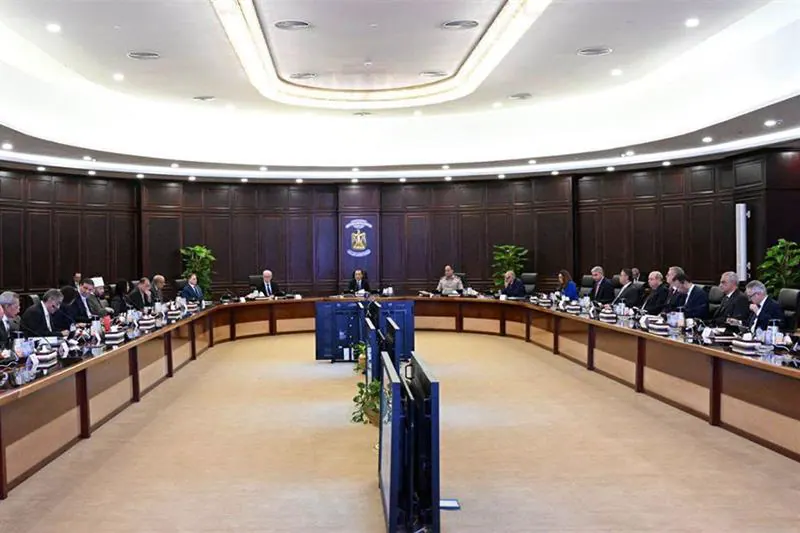
Egypt's cabinet has approved a draft presidential decree for two grants from the African Development Bank to support the preparation of the country's renewable-energy-powered desalination project. The project is under the water pillar of the NWFE national platform. The grants will finance the project's technical, environmental, and social studies ahead of implementation. This move is part of Egypt's efforts to increase its freshwater supply and strengthen its long-term water security.
The first grant, worth €500,000, is provided through the African Water Facility to prepare technical studies for the construction of five seawater desalination plants powered by renewable energy. These plants are expected to add 525,000 cubic metres of water per day across four governorates. The plants will be implemented through public-private partnerships. This initiative aims to boost Egypt's freshwater supply and address the country's water scarcity.
The second grant, valued at €280,000, from the Technical Assistance Fund for Middle-Income Countries, will support environmental and social impact assessments for the project. It will also fund capacity-building programmes for workers in Egypt's water sector. The project aims to increase the availability of desalinated water for multiple uses and strengthen Egypt's long-term water security. Egypt has been expanding investment in seawater desalination, wastewater treatment, and water reuse to meet growing demand.
The renewable-powered desalination project is one of the flagship initiatives under Egypt's NWFE programme, launched in 2022. The programme aims to mobilize international financing for priority projects in the water, food, and energy sectors and support the country's climate commitments. Egypt is one of the world's most water-scarce countries and has been working on expanding the use of renewable energy in the water sector.
Egypt has set a target of 61.2% renewable energy share by 2040. The country is working on several initiatives to achieve this goal, including the use of renewable energy in the water sector. The desalination project will not only increase the availability of freshwater but also contribute to reducing the country's reliance on fossil fuels.
The NWFE programme has been highlighted as a model for scaling climate investment. Egypt has been working on several initiatives to support its climate commitments, including the launch of the NWFE programme. The programme aims to support the country's priority projects in the water, food, and energy sectors.
The approval of the grants is a significant step towards the implementation of the renewable-powered desalination project. Egypt's efforts to increase its freshwater supply and strengthen its long-term water security are ongoing. The project is expected to have a positive impact on the country's water sector and contribute to its climate commitments.
Key points
- Egypt's cabinet approves two grants from the African Development Bank to support a renewable-energy-powered desalination project.
- The project aims to increase the availability of desalinated water for multiple uses and strengthen Egypt's long-term water security.
- The renewable-powered desalination project is one of the flagship initiatives under Egypt's NWFE programme.