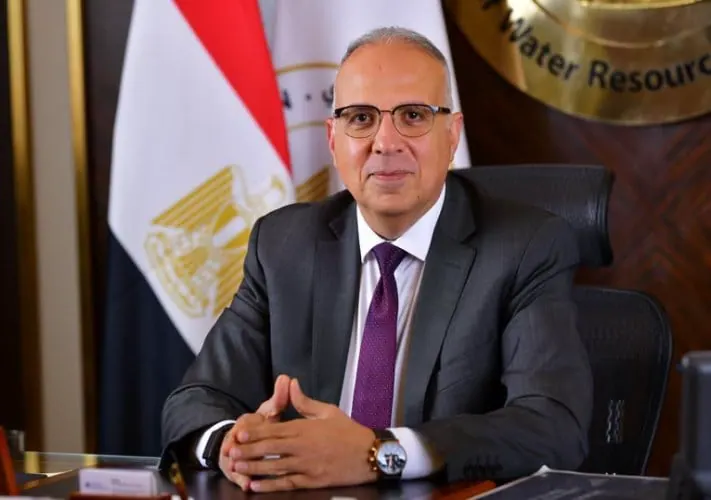
Egyptian Minister of Water Resources and Irrigation, Hani Suwelim, has stated that Egypt has no fear of the dam being built in South Sudan, saying it poses no significant threat to the country. Suwelim made the comments during a phone interview with Amr Adib on the MBC Egypt program, "The Story". He explained that the dam's design has undergone review and study as part of a group of projects submitted by Nile Basin countries, which were approved by participating countries according to the procedures followed within the Nile Basin Initiative.
Suwelim emphasized that Egypt deals with the issue of dams based on international law and cooperation mechanisms between basin countries, not with a mindset of fear. He revealed that 36 projects have been submitted by southern Nile Basin countries for review, including projects for protecting areas, multi-purpose projects, drinking water and sanitation, as well as power generation and dam projects. The minister assured that these projects have been studied and their impacts reviewed before approval.
The minister highlighted that the projects approved include various types, such as protection of areas, multi-purpose projects, and projects for drinking water and sanitation. He also mentioned that some of these projects aim to generate power and construct dams. Suwelim stressed that Egypt's water rights are being preserved while cooperating with Nile Basin countries to implement development projects and generate electricity.
Regarding the impact of the dam in question, Suwelim stated that studies have shown its effects to be "very weak" and manageable. He expressed Egypt's willingness to cooperate with Nile Basin countries to implement development projects and generate electricity while safeguarding Egypt's water rights. The minister's comments come as a reassurance to Egyptians about the country's stance on the dam.
Turning to the Ethiopian Grand Renaissance Dam, Suwelim said that negotiations between Egypt and Ethiopia have reached a deadlock after years of talks. He attributed this to Ethiopia's failure to adhere to the rules and procedures governing transboundary water projects. Egypt had insisted from the outset that the dam project be dealt with in accordance with international law.
Suwelim recalled that the 2015 Declaration of Principles on the Grand Ethiopian Renaissance Dam, signed by Egypt, Ethiopia, and Sudan, was a step towards reaching a legally binding agreement. The declaration outlined principles for cooperation, including no harm to riparian countries and cooperation in the first filling and operation of the dam. However, Suwelim lamented that the agreement was not signed despite significant progress in negotiations.
The Egyptian minister expressed regret that despite nearing an agreement during US-brokered negotiations, the deal was not sealed. Egypt, Sudan, and Ethiopia had made considerable progress in reaching an agreement, but ultimately failed to do so. Suwelim's comments reflect Egypt's continued efforts to protect its interests in the Nile Basin while promoting cooperation with other countries in the region.
Key points
- Egypt's Water Resources and Irrigation Minister Hani Suwelim says 36 Nile Basin projects approved.
- Egypt has no fear of the dam being built in South Sudan, says it poses no significant threat.
- Negotiations between Egypt and Ethiopia on the Grand Renaissance Dam have reached a deadlock.