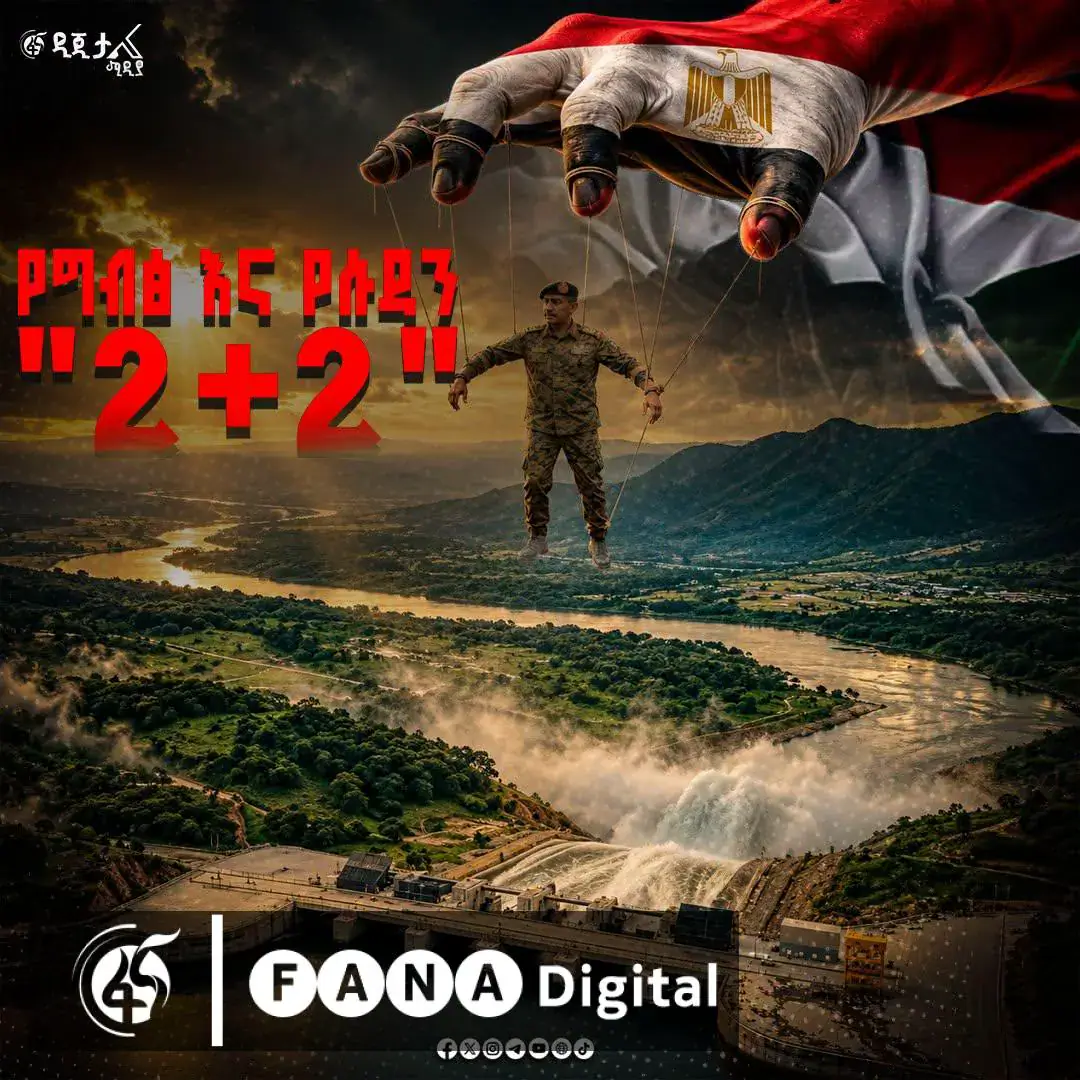
On October 25, 2019, Egyptian and Sudanese officials convened in Cairo for the third round of their "2+2" talks, a diplomatic and technical meeting aimed at addressing Nile River management and the Grand Ethiopian Renaissance Dam (GERD). The meeting brought together Egyptian Foreign Minister Badri Abdelatty and Water Minister Mahmoud El-Hakim, alongside their Sudanese counterparts, Mahi El-Din Salem and Yasser Abbas. The talks focused on cooperation and the implementation of previous agreements.
The joint statement issued after the meeting reaffirmed both countries' commitment to the 1929 and 1959 Nile River treaties, which Ethiopia did not sign. Egyptian and Sudanese officials expressed concerns over any unilateral actions by other basin countries, emphasizing the need for cooperation. They also criticized Ethiopia's approach to GERD, claiming it violates international law. However, Ethiopia maintains that these treaties are not binding, as it was not a signatory.
Sudan's Foreign Minister, Mahi El-Din Salem, made remarks that raised eyebrows, stating that Sudan would protect Egypt's water interests before its own. This statement has sparked concerns about Sudan's sovereignty and its ability to navigate the complex geopolitics of the Nile River. Critics argue that Sudan's priorities should lie with addressing its internal conflicts and humanitarian crises.
The "2+2" talks have been seen as an attempt by Egypt and Sudan to exert pressure on Ethiopia regarding GERD. Egypt, in particular, has been vocal about its concerns over the dam's impact on its water security. However, Ethiopia asserts that GERD will not harm Egypt's or Sudan's interests and will, in fact, provide benefits such as flood control and hydroelectric power.
Ethiopia's Minister of Water, Irrigation, and Electricity, Seleshi Bekele, has emphasized that his country will not be dictated to by external parties regarding its water resources. He stressed that Ethiopia has the right to develop its hydroelectric potential and that GERD is a vital project for the country's economic growth.
The GERD has been a contentious issue, with Egypt and Sudan pushing for a binding agreement on the dam's operation and filling. Ethiopia, however, maintains that it will not compromise on its sovereignty and will continue with the dam's development. The African Union has been facilitating talks between the three countries, but a mutually acceptable agreement remains elusive.
As tensions persist, the international community is closely watching the developments. The United States, the European Union, and other stakeholders have expressed concerns over the potential for conflict and have urged the parties to engage in meaningful dialogue. A peaceful resolution to the dispute is crucial, as the Nile River supports the livelihoods of millions of people in the region.
Key points
- Egypt and Sudan reiterate their commitment to the 1929 and 1959 Nile River treaties.
- Ethiopia maintains that these treaties are not binding, as it was not a signatory.
- The "2+2" talks have sparked concerns over Sudan's sovereignty and its priorities in the region.