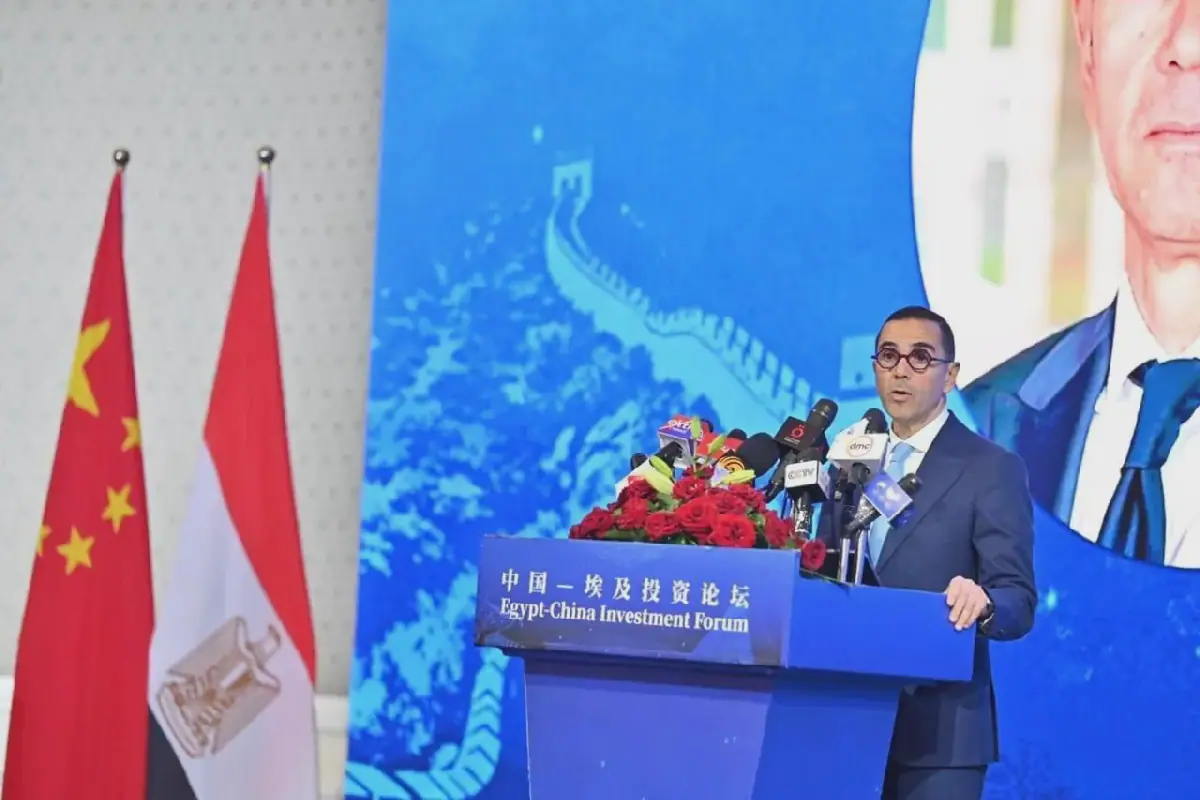
Egypt's growing economic relationship with China offers an opportunity for the country to strengthen its industrial base, create more skilled employment, and increase its export capacity. The bilateral trade between the two nations has reached approximately $20 billion, with over 3,000 Chinese companies operating in Egypt, investing more than $10 billion. Egypt's Minister of Investment and Foreign Trade, Mohamed Farid Saleh, recently called for increased Chinese investment in productive sectors, emphasizing technology localization and stronger domestic production.
The Egyptian government aims to use international partnerships to enhance its manufacturing capabilities, develop technology, and compete in export markets. Farid identified industry, energy, and services as priority areas for deeper cooperation with China. These sectors have significant implications for Egypt's development, including expanding production and supplier networks, supporting infrastructure, and creating opportunities for specialized skills and higher-value economic activity.
The experience of Chinese manufacturer Jushi illustrates the potential of establishing production facilities within Egypt. The company has developed a manufacturing presence in the country and is a major international fibreglass exporter. Such investments can strengthen production capacity and connect local operations to international markets. Egypt's geographical position also gives the partnership a wider commercial dimension, with access to the Mediterranean and Red Sea, and the strategic importance of the Suez Canal.
The Suez Canal Economic Zone and associated industrial areas offer opportunities to integrate manufacturing, logistics, and international trade. However, the success of this relationship depends on the extent to which Egyptian businesses and workers participate in its benefits. The presence of foreign companies does not automatically guarantee technology transfer, local supplier development, or better employment opportunities.
Egypt must ensure that new projects strengthen its export capacity rather than simply increasing domestic production without improving competitiveness. Access to international markets depends on product quality, reliable infrastructure, efficient logistics, and the ability of local manufacturers to meet demanding standards. The government must implement deliberate policies, technical training, and competitive domestic enterprises to encourage meaningful local participation.
This relationship offers a broader lesson for Africa about the importance of negotiating investment partnerships around national development priorities. The continent needs international capital, technology, and expertise, but it must also build domestic capabilities to benefit from them. Egypt's $20 billion trade relationship with China provides a substantial platform for growth and development.
The next measure of success for Egypt's partnership with China will be the industries developed, skills transferred, local enterprises strengthened, and export opportunities created. If Egypt can make domestic industrial capacity central to its engagement with China, the partnership could become a model of economic cooperation in which international investment contributes directly to national productivity and shared prosperity.
Key points
- Egypt aims to leverage its $20 billion trade relationship with China into industrial growth and increased export capacity.
Reporting sources
- Egypt–China Trade: Turning a US$20 Billion Partnership into Industrial Growth · African Leadership Magazine