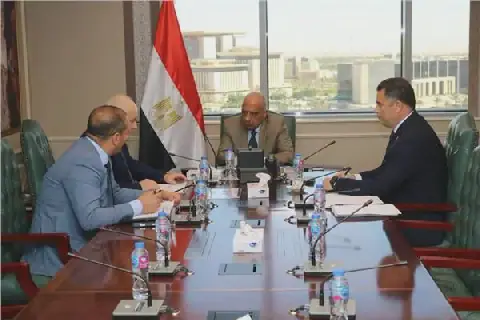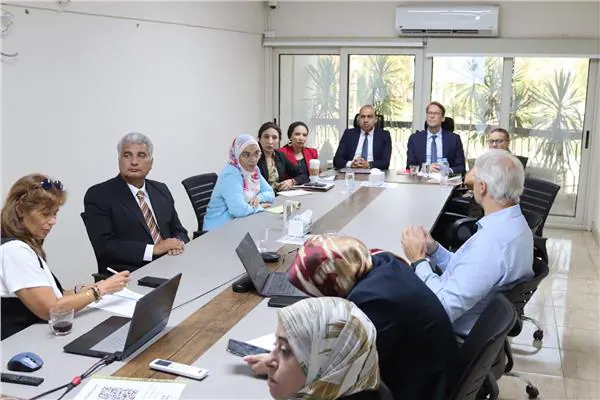
Egypt's Head of the Waste Management Regulatory Body, Yasser Abdullah, chaired the first steering committee meeting for the "Circular Electronics Initiative – CEI" project. The project aims to develop a sustainable e-waste management system, with the participation of relevant stakeholders. The initiative is part of the state's efforts to transition from waste management to a circular economy concept. This approach seeks to maximize the economic value of resources and materials that can be reused and recycled.
The Egyptian Minister of Local Development and Environment, Dr. Manal Awad, stated that the project aligns with the state's goal of transitioning to a circular economy. The initiative aims to create new investment opportunities and contribute to sustainable economic and environmental development. The project is a continuation of Egypt's cooperation with Switzerland in sustainable e-waste management. The efforts were implemented through the SRI project, which supported the development of the necessary foundations for proper e-waste management.
Dr. Manal Awad added that the launch of the CEI project marks a new phase of cooperation. The project targets the expansion of waste and sectors, including new areas such as refrigeration, air conditioning, and solar panels. Yasser Abdullah explained that the project aims to support the development of a comprehensive and sustainable e-waste management system. The initiative seeks to promote practices related to collecting, handling, processing, and recycling e-waste.
The project's main goal is to maximize the use of resources and reintroduce recoverable materials into the production cycle. This approach aims to reduce the environmental impacts of improper e-waste management. Yasser Abdullah highlighted the steering committee's role in monitoring and guiding the project's implementation over the next four years. The committee will review the project's objectives and stages to ensure consistency with national regulations and laws.
The meeting reviewed the project's objectives, main axes, and work plan for 2026. The committee discussed the timeline for activities and programs to ensure clear roles and responsibilities among participating parties. Yasser Abdullah emphasized the importance of continued coordination and cooperation with relevant parties. This collaboration aims to build a comprehensive e-waste management system and improve recovery and recycling efficiency.
The project also seeks to promote economic benefits from resources while preserving the environment and public health. The steering committee will continue its work to monitor project implementation, evaluate progress, and coordinate among partners. This effort aims to achieve the project's objectives over the next four years and enhance Egypt's e-waste management capabilities.
The initiative is part of Egypt's efforts to achieve sustainable development goals and the 2030 vision. The project will contribute to reducing the environmental impacts of e-waste and promoting a circular economy. The Egyptian government is working to create a supportive regulatory environment for the expansion of e-waste collection, recycling, and treatment activities.
Key points
- Egypt launches initiative to develop sustainable e-waste management system
- Project aims to promote practices related to collecting, handling, processing, and recycling e-waste
- Initiative seeks to maximize economic value of resources and materials that can be reused and recycled