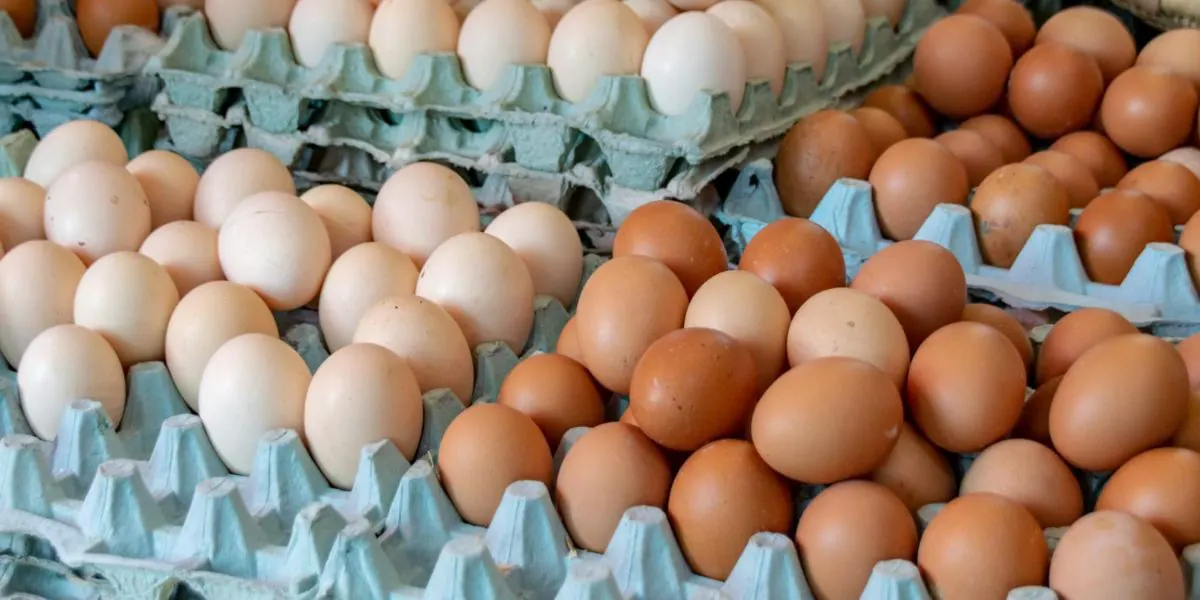
The price of eggs in Algeria has seen a significant increase, with a tray of 30 units now selling for between 650 and 680 Algerian dinars, according to regional markets and points of sale. This represents a nearly 100% increase from the 330-350 dinars recorded at the end of June. The surge in prices has been attributed to various factors, including disruptions in the poultry production sector during the summer months.
The disruptions were caused by widespread fires in several regions, including Jijel, Béjaïa, Skikda, Guelma, Souk Ahras, and Sétif, which resulted in losses for poultry farmers. Additionally, the intense heatwave during the summer period further reduced the supply of eggs. Despite the decrease in production, demand for eggs remains high, contributing to the significant price increase.
The start of the new school and university year has also played a role in the increased demand for eggs, as restaurants and canteens require large quantities of poultry products. With the resumption of activities in vocational training centers scheduled for October 4, demand is expected to remain high in the coming weeks. However, producers are unlikely to be able to increase production quickly enough to meet this demand.
As a result, egg prices are expected to remain high in the short term. The situation will depend on the ability of the poultry sector to gradually restore production and achieve a better balance between supply and demand. The current price increase has significant implications for Algerian households, which are already facing pressure on their purchasing power.
The start of the new school year has brought concerns about household budgets, with families facing increased expenses for school supplies, clothing, transportation, and food. With nearly 12 million students returning to school, the multiplication of expenses for families is expected to put a strain on household budgets. While some prices have decreased in recent weeks, the cumulative pressure on household budgets over the past few months remains a concern.
According to the International Monetary Fund, inflation in Algeria increased significantly between September 2025 and April 2026, rising from -2% to 5.2%. The IMF forecasts an average inflation rate of 5.5% for 2026. The impact of inflation on households depends on their individual expenditure patterns, with families spending a large portion of their income on food and school expenses being more affected by price increases.
The issue of purchasing power in Algeria is closely tied to the evolution of prices in the coming months. The government's measures to support household incomes and purchasing power, including potential salary and pension increases, will be crucial in addressing these concerns. Ultimately, households will need to be able to afford basic expenses, including food, housing, transportation, and education, with their available income.
Key points
- Egg prices in Algeria have nearly doubled in three months, reaching 650-680 Algerian dinars per tray of 30 units.
- The price increase is attributed to supply chain disruptions, including fires and heatwaves, and increased demand due to the new school and university year.
- Household budgets are under pressure, with concerns about inflation and purchasing power remaining a significant challenge for Algerian families.