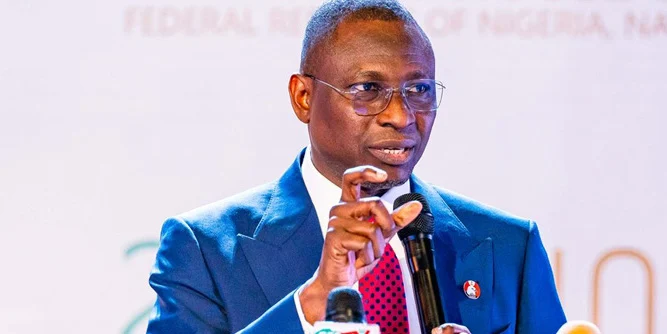
The Chairman of the Economic and Financial Crimes Commission, Ola Olukoyede, has called on religious leaders to use their influence to preach against corruption. He made this appeal on Wednesday in Abuja at the second 2026 Council Meeting of the Nigeria Inter-Religious Council and the launch of the Anti-Corruption Interfaith Manual for religious leaders. Olukoyede emphasized that faith communities have an extraordinary responsibility in Nigeria's fight against corruption.
Olukoyede highlighted the unique role that religious institutions can play in shaping the character of their followers. He noted that while the EFCC can investigate and prosecute corrupt practices, faith communities can influence individuals' behavior and cultivate honesty. The EFCC chairman stressed that corruption affects Nigerians irrespective of their faith, and that it should not be viewed through religious or ethnic lenses.
The EFCC chairman emphasized that corruption has no religion or tribe, and that its consequences affect all Nigerians. He cited examples of how corruption impacts people's lives, including access to healthcare, infrastructure, and employment. Olukoyede urged pastors and imams to use the newly launched manual to educate their followers on the negative effects of corruption and the importance of integrity.
Olukoyede revealed that the EFCC has been engaging with Christian and Muslim leaders through its interfaith framework to promote anti-corruption messages. He noted that the commission believes that no religion condones corruption and that faith communities have a critical role to play in promoting honest and transparent behavior. The EFCC chairman also highlighted the importance of the new manual, which was developed with the participation of leaders of both faiths.
The Executive Secretary of the Nigeria Inter-Religious Council, Prof. Cornelius Omonokhua, explained that the second edition of the anti-corruption preaching and teaching manual was designed to assist Christian and Muslim preachers in communicating authentic religious teachings against corruption. He emphasized that no nation can flourish in the face of corruption and that religious leaders have a critical role to play in promoting integrity.
The Secretary to the Government of the Federation, George Akume, who represented President Bola Tinubu, noted that religious leaders and other stakeholders have a critical role to play in addressing insecurity and other challenges confronting the country. He emphasized that violence, banditry, and kidnapping have left many Nigerians afraid, and that religious leaders, traditional rulers, and the government must work together to counter narratives of division and conflict.
The event was attended by prominent religious and traditional leaders, including the President of the Christian Association of Nigeria, Rev. Daniel Okoh, and the Sultan of Sokoto, Alhaji Muhammad Sa'ad Abubakar. The EFCC has previously identified engagement with faith-based organisations as part of its preventive anti-corruption strategy, including the development of interfaith manuals for Christians and Muslims.
Key points
- The EFCC Chairman, Ola Olukoyede, urges religious leaders to use their influence to preach against corruption.
- The EFCC has developed an Anti-Corruption Interfaith Manual to guide Christian and Muslim preachers in promoting anti-corruption messages.
- The event was attended by prominent religious and traditional leaders, who emphasized the importance of collaboration in addressing corruption and insecurity.