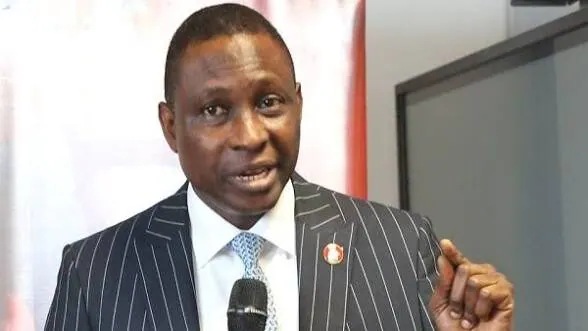
The Chairman of the Economic and Financial Crimes Commission (EFCC), Ola Olukoyede, has called on local government chairpersons to ensure that increased allocations to councils benefit Nigerians. He made the call at the maiden Annual National Conference of Local Government Council Chairmen and Traditional Rulers Councils in Abuja. Represented by the commission’s Director of Public Affairs, Wilson Uwujaren, Olukoyede stated that local government resources should address community needs.
Olukoyede emphasized the EFCC's commitment to promoting transparency and accountability at the grassroots level. He noted that the commission would ensure that improved resources flowing to the third tier of government translate into better living standards for the grassroots population. This call comes amid concerns about public fund management and essential service delivery by local governments.
The EFCC chairman's remarks coincide with the launch of the Nigerian Local Government Integrity Index in October 2025. The index assessed corruption risks and accountability across the country's 774 local government areas. The assessment covered fiscal transparency, public service delivery, and anti-corruption enforcement, among other indicators.
President Bola Tinubu has also emphasized the importance of grassroots development. Represented by the Secretary to the Government of the Federation, George Akume, Tinubu stated that Nigeria's development must start from the bottom up. He urged local government chairmen to prioritize primary healthcare, basic education, rural roads, access to safe water, food systems, and support for small businesses.
The EFCC has reported significant recoveries, with over N1.233 trillion recovered between October 2023 and the period covered by its recent stewardship account. This includes $684.48 million, £373,905.78, and €9.34 million. Approximately two-thirds of the recovered naira have been returned to ministries, departments, and agencies, state revenue services, companies, and individuals.
Olukoyede highlighted the link between economic crime and national security threats, including terrorist financing, illegal mining, cross-border cybercrime, and money laundering. The EFCC has recorded 920 cases and 212 convictions, with ongoing investigations and prosecutions. The commission has also digitalized nearly 60% of its processes and operations.
The EFCC chairman emphasized the importance of due process in the fight against corruption. He noted that the commission is strengthening its internal standards through new arrest and bail guidelines and conflict-of-interest safeguards. Nigeria's removal from the Financial Action Task Force (FATF) grey list in October 2025 was attributed to sustained inter-agency reforms, in which the EFCC played a central role.
Key points
- EFCC chairman Ola Olukoyede urges local government chairpersons to ensure increased allocations benefit Nigerians.
- The EFCC has reported over N1.233 trillion in recoveries between October 2023 and the period covered by its recent stewardship account.
- Nigeria was removed from the Financial Action Task Force (FATF) grey list in October 2025 due to sustained inter-agency reforms.