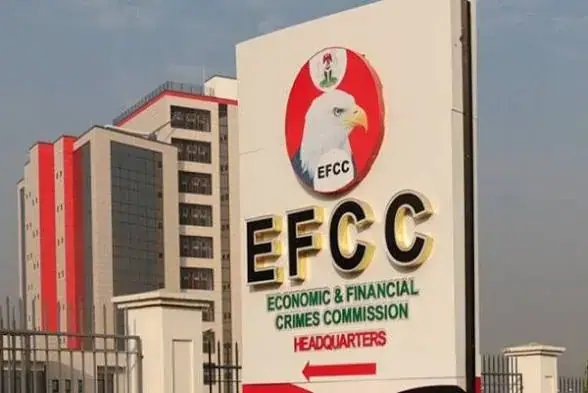
The Economic and Financial Crimes Commission (EFCC) has initiated a nationwide probe into the financial activities of Nigeria's 774 local government councils. This investigation aims to assess how effectively these councils have managed public resources since gaining financial autonomy. The probe covers councils across the 36 states and the Federal Capital Territory, with the EFCC deploying its zonal directorates to handle the investigation.
The investigation began after the Supreme Court's July 2024 judgment, which ended state governors' control over local government allocations. The EFCC is examining how council chairmen have utilised the funds received since the judgment. The commission will review expenditure records and assess whether the councils have demonstrated the administrative capacity required to manage their finances independently.
The EFCC's investigation is also focused on determining the extent to which increased financial control has translated into visible improvements in local infrastructure, public services, and other grassroots development initiatives. The exercise places the financial decisions of council administrations under scrutiny, particularly their ability to justify public expenditure and demonstrate results from the resources entrusted to them.
The Supreme Court's July 11, 2024, landmark judgment affirmed the financial independence of Nigeria's local government councils. The court ruled against the practice of state governments controlling or withholding allocations meant for local councils and directed that such funds should go directly to the councils through the Office of the Accountant-General of the Federation.
The judgment followed a suit instituted by the Federal Government, which sought to end financial interference by state governments and strengthen democratically elected local administrations. The decision was widely regarded as an opportunity to improve grassroots governance by giving local authorities greater control over their resources.
However, the EFCC's latest action raises fresh questions about how councils have managed the financial responsibility that comes with autonomy. Although the commission has yet to announce specific findings or identify any council chairman found culpable of financial misconduct, the investigation is expected to assess the administrative capacity of the councils.
The EFCC's probe comes amid growing expectations that direct access to statutory allocations would strengthen local administration, improve accountability, and bring development closer to residents. The commission's investigation will evaluate the financial management of the councils and determine whether they have utilised their funds effectively to improve local infrastructure and public services.
Key points
- The EFCC is investigating the financial activities of 774 local government councils.
- The investigation aims to assess the administrative capacity of the councils to manage their finances independently.
- The probe is focused on determining the impact of increased financial control on local infrastructure, public services, and grassroots development initiatives.
Reporting sources
- EFCC Launches Nationwide Probe Into Spending Of 774 Local Government Chairmen · Spice Radio Nigeria