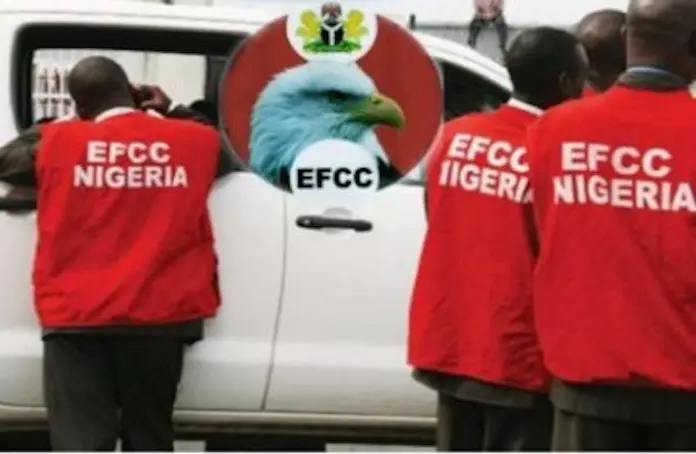
The Economic and Financial Crimes Commission (EFCC) has called on Christian and Muslim leaders to use their influence to challenge the growing practice of celebrating unexplained wealth in Nigeria. EFCC Chairman Ola Olukoyede made the appeal on Wednesday in Abuja at the second 2026 Council Meeting of the Nigeria Inter-Religious Council (NIREC). He emphasized that law enforcement agencies cannot win the fight against corruption alone and that religious institutions have a crucial role in shaping the values and character of Nigerians.
Olukoyede unveiled an Anti-Corruption Interfaith Manual for Christian and Muslim religious leaders at the meeting. The manual aims to guide religious leaders in promoting honest labor and integrity among their followers. The EFCC chairman stressed that while the commission is empowered to investigate and prosecute financial crimes, religious leaders can help address the social and moral environment that enables people to acquire and celebrate wealth without asking questions about its source.
Olukoyede questioned the message being sent to younger Nigerians when people with unexplained wealth are celebrated in society without anyone asking how such wealth was acquired. He warned religious institutions against accepting huge donations or allowing questionable wealth to be used for religious projects without examining the source of the funds. He cited the example of a public servant allegedly spending far beyond his known earnings to construct a multimillion-naira religious facility.
The EFCC chairman cautioned religious leaders against accepting enormous donations without asking questions about their origin. He gave an example of a donor offering N550 million without any questions being asked, saying that this would amount to blessing the proceeds of crime. Olukoyede urged churches, mosques, and other faith-based organizations to establish proper financial controls, particularly where their leaders also operate private businesses.
Olukoyede expressed concern over the number of people bearing religious titles who have appeared in the commission's case files in connection with financial crimes. He advocated for a review of the titles given to men of God, suggesting that they should not shield anyone from accountability or influence the handling of a financial crime investigation. He recalled an encounter with a suspect who introduced himself with several religious titles, stressing that the commission would not treat financial crime differently because of the religious identity of an accused person.
The EFCC chairman also recalled previous investigations involving Christian and Muslim pilgrimage organizations, which revealed that almost 75 percent of government funds released to sponsor pilgrims had allegedly been stolen by officials involved in the program. He argued that the anti-corruption message must begin with religious and other community leaders themselves, saying followers are more likely to emulate leaders who demonstrate integrity in their own conduct.
The Executive Secretary of NIREC, Prof. Cornelius Afebu Omonokhua, said the Anti-Corruption Interfaith Manual was designed to assist religious leaders in communicating anti-corruption messages and promoting peaceful coexistence. He emphasized that religious teachers who engage in corrupt practices undermine the credibility of the faith they profess. The manual was developed through the EFCC's Interfaith Anti-Corruption Advisory Committee and contains Christian and Islamic teachings aimed at strengthening ethical conduct and discouraging corruption.
Key points
- The EFCC has urged Christian and Muslim leaders to use their influence to challenge the growing practice of celebrating unexplained wealth in Nigeria.
- The EFCC chairman, Ola Olukoyede, unveiled an Anti-Corruption Interfaith Manual for Christian and Muslim religious leaders to guide them in promoting honest labor and integrity among their followers.
- The manual aims to address corruption by promoting peaceful coexistence and discouraging corrupt practices among religious leaders and their followers.