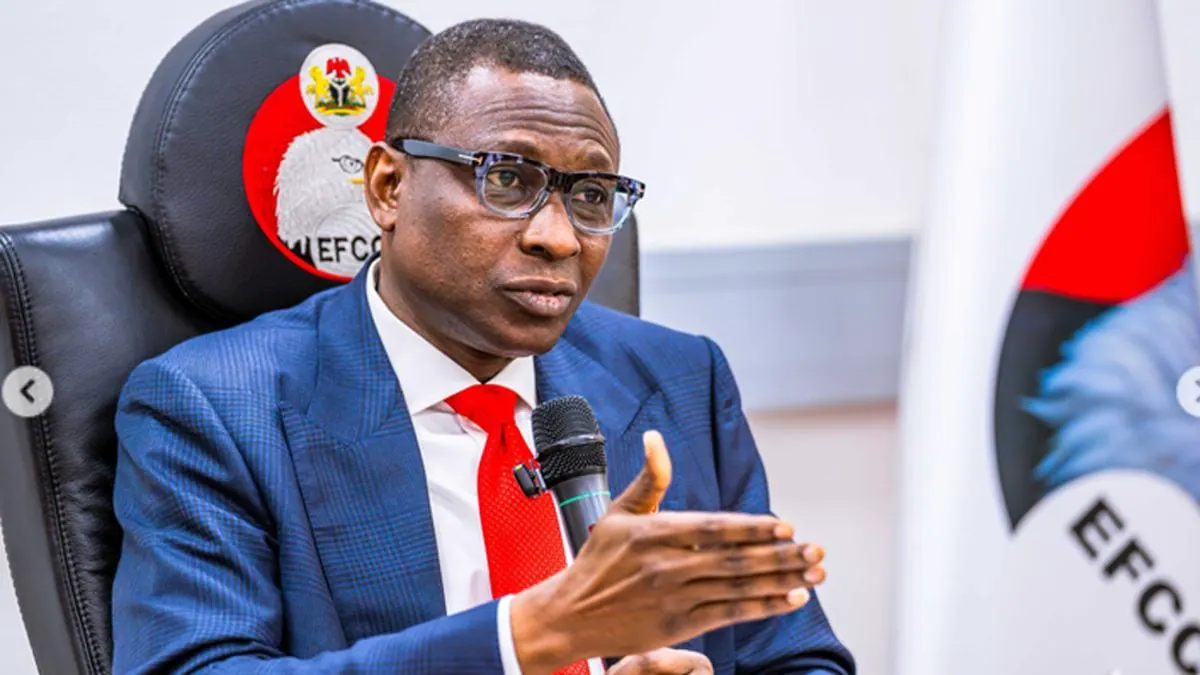
The Chairman of the Economic and Financial Crimes Commission (EFCC), Olanipekun Olukoyede, has warned religious leaders in Nigeria against diverting tithes, offerings, zakat, and other funds belonging to religious organisations into their private businesses. This warning was given at the 2026 Second Council Meeting of the Nigeria Inter-Religious Council (NIREC), held with the theme, “Shared Sacred Flourishing in Nigeria”. Olukoyede described such diversion as criminal and urged churches and mosques to establish clear regulatory compliance mechanisms to prevent the misuse of funds entrusted to religious institutions.
According to Olukoyede, religious organisations are registered as not-for-profit entities, and funds received in the name of such organisations should be kept in their designated accounts and used for the purposes for which they were contributed. He stressed that religious leaders had a responsibility to lead by example in the fight against corruption, adding that followers often emulate the conduct of their leaders. Olukoyede advised religious leaders who engage in legitimate private businesses to maintain a clear separation between their personal finances and funds belonging to their churches, mosques, or other religious organisations.
The EFCC chairman recounted investigations conducted by the commission into institutions responsible for sponsoring religious pilgrimages, alleging that investigators had uncovered significant financial irregularities. He said that during his previous service at the EFCC, including as Chief of Staff and Secretary, the commission investigated the Christian and Muslim pilgrimage boards. Olukoyede disclosed that some of the discoveries made were mind-boggling, with almost 75 per cent of government funds released for the sponsorship of pilgrims having been stolen by officials of the organisations.
Olukoyede underscored the need for greater accountability and transparency in religious institutions and government-funded religious programmes. He urged religious organisations to develop regulatory compliance templates to clearly define the boundaries between organisational and personal finances. The EFCC chairman stressed that funds entrusted to religious leaders belonged to members of the faith community and were held in trust for the propagation of the faith and its tenets.
The EFCC chairman called on religious institutions to play a greater role in preventing corruption by shaping the moral character and conscience of citizens. According to him, while the EFCC can investigate and prosecute financial crimes, religious institutions have the capacity to influence the values and character that determine whether individuals engage in corrupt practices. Olukoyede said that religious leaders could contribute significantly to Nigeria’s anti-corruption campaign by promoting honest living and discouraging the pursuit of wealth without regard to its source.
Olukoyede stated that religious institutions had an “extraordinary responsibility” in the country’s anti-corruption struggle, adding that preventing corruption before it occurs is as important as punishing offenders after the crime has been committed. He emphasised that one of the most consequential contributions religious leaders can make to shared sacred flourishing is to restore the moral dignity of honest living. The EFCC chairman urged religious leaders to lead by example and promote a culture of transparency and accountability within their organisations.
The warning by Olukoyede is a significant step towards promoting transparency and accountability in religious institutions in Nigeria. The EFCC chairman's call for greater accountability and transparency in the management of funds by religious organisations is timely, given the critical role that these institutions play in shaping the moral character of citizens. By promoting honest living and discouraging corrupt practices, religious leaders can contribute significantly to Nigeria's anti-corruption campaign and help to build a more just and equitable society.
Key points
- The EFCC chairman warned religious leaders against diverting tithes, offerings, and zakat into private businesses, describing it as a criminal act.
- Olukoyede urged religious organisations to develop regulatory compliance templates to clearly define the boundaries between organisational and personal finances.
- The EFCC chairman emphasised the need for greater accountability and transparency in religious institutions and government-funded religious programmes.